The St. Louis Cardinals have entered spring training with several roster battles still unresolved, and a number of positions remain open as the organization evaluates its options before the regular season begins. Competition across the roster has been noticeable, but one of the most intriguing areas of uncertainty is the outfield.
With injuries and inconsistent performances shaping the discussion, the group that ultimately takes the field on Opening Day could look somewhat different from what fans originally anticipated earlier in the offseason.
One of the biggest factors affecting the early season outfield alignment is the health of Lars Nootbaar. During the offseason, Nootbaar underwent double heel surgery, a procedure that has slowed his progress and placed his availability for the beginning of the season in doubt.
Because of that recovery timeline, the Cardinals are preparing for the possibility that he may not be ready when the season officially begins. If that proves to be the case, the team will need to find another option to fill the starting role in left field, at least temporarily.
That potential absence has opened the door for additional competition in the outfield. What once appeared to be a relatively straightforward situation has turned into a more crowded race, with several players attempting to take advantage of the opportunity.
Spring training often provides young players and fringe roster candidates with a chance to prove themselves, and this year has been no exception for the Cardinals. The coaching staff and front office are closely monitoring performances, trying to determine who can contribute immediately while also considering the team’s long-term development plans.
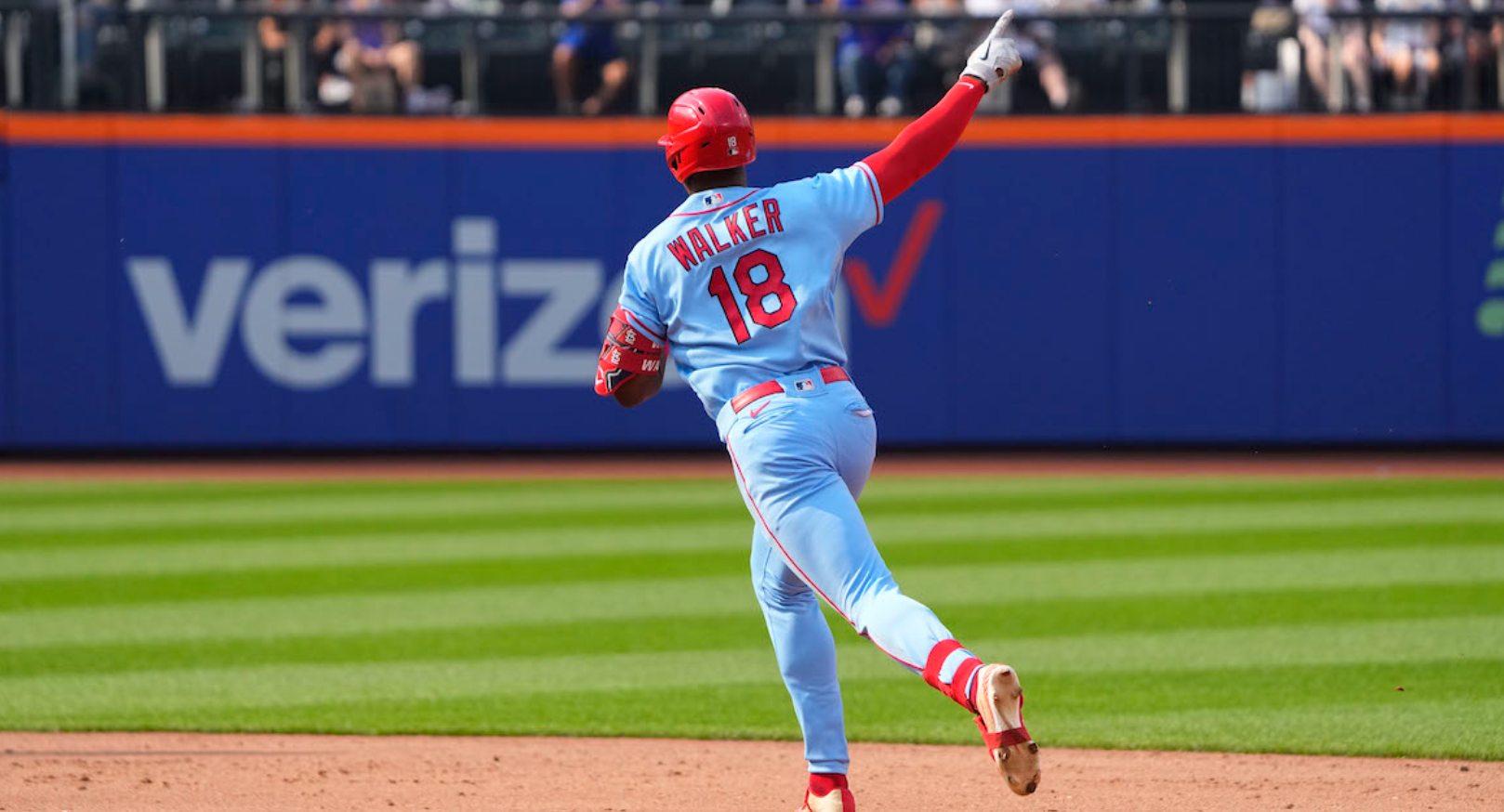
Among the players drawing attention is Jordan Walker, one of the organization’s most highly regarded young talents. Walker has long been viewed as a cornerstone player for the franchise, and expectations surrounding him remain high. However, his performance during spring training has been somewhat inconsistent, which has led to increased scrutiny as roster decisions approach.
In a recent spring training game on Thursday, Walker struggled at the plate. He finished the game without recording a hit, going zero for 4 while striking out three times. The difficult outing caused his batting average for the spring to fall to .200, a number that reflects the challenges he has faced during the exhibition schedule. While spring training statistics are not always the most reliable indicator of future success, they can influence decisions when competition for roster spots is tight.
Despite the recent struggles, the expectation within the organization remains that Walker will be included on the Opening Day roster. His talent and potential make him a valuable piece of the Cardinals’ lineup, and the team still views him as the likely starting right fielder once the regular season begins. His physical tools, power potential, and ability to impact games offensively give him a profile that the Cardinals are eager to develop and showcase at the major league level.
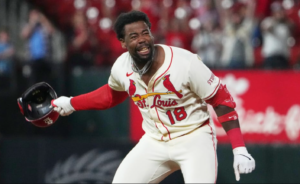
Nevertheless, continued inconsistency could complicate his position if it persists into the regular season. Spring training serves as an opportunity not only for players to prepare physically but also to reinforce the confidence of their coaches and teammates. When a player struggles during that stretch, it naturally raises questions about readiness and performance expectations moving forward.
For Walker, the situation may be less about whether he makes the roster and more about how quickly he can establish himself as a reliable everyday contributor. If he is unable to find his rhythm offensively once the season begins, the team could eventually explore alternative options.
The Cardinals have shown in the past that they are willing to adjust playing time or shuffle their lineup when production is lacking, particularly when other players are pushing for opportunities.
At the same time, the organization understands that young players often experience periods of adjustment at the major league level. Walker is still early in his professional career, and development rarely follows a perfectly smooth trajectory. Many star players endured difficult stretches before eventually finding consistency, and the Cardinals are aware that patience can sometimes be necessary when dealing with high ceiling prospects.
The evolving outfield situation also highlights how quickly circumstances can change during spring training. Injuries, unexpected performances, and roster experimentation often lead to shifts in projected lineups. For the Cardinals, Nootbaar’s uncertain availability has created a ripple effect that impacts multiple players, from established starters to younger prospects hoping to break through.
If Nootbaar is unable to return in time for Opening Day, the team will need to rely on internal depth to fill the void. That could mean giving extended opportunities to players who might otherwise have begun the season in a reserve role. Spring training results and overall readiness will likely play a significant role in determining who earns those chances.
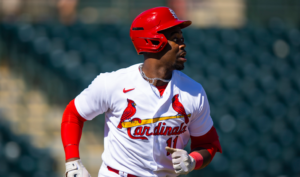
Ultimately, the Cardinals’ decision makers are balancing two priorities: building the strongest possible roster for the start of the season and continuing the development of players who represent the organization’s future. Walker sits at the center of that balancing act. His potential remains undeniable, but the team will want to see signs that he can translate that talent into consistent production against major league pitching.
As the final weeks of spring training unfold, performances like the one Walker had on Thursday will continue to be evaluated within the broader context of his overall progress. A single rough game does not define a player’s outlook, but it does add to the body of evidence that coaches consider when determining roles and expectations.
For now, the Cardinals still appear committed to giving Walker the opportunity to claim the starting right field position. However, the competitive nature of the roster means that no role is completely guaranteed. If struggles continue and other players perform well, the organization could eventually consider adjustments.
With Opening Day approaching, the Cardinals’ outfield picture remains fluid. Nootbaar’s recovery, Walker’s offensive consistency, and the performances of several other players will ultimately shape how the roster looks when the season begins. What initially seemed like a straightforward configuration has become a more complicated situation, turning the outfield into one of the most closely watched storylines of the Cardinals’ spring.
Walker may be running out of runway
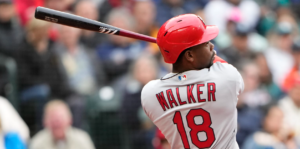
During the current spring training period, Jordan Walker has not produced the kind of offensive performance the St. Louis Cardinals were hoping to see from one of their young outfielders. Through the games he has played so far this spring, Walker has managed only six hits, and notably every one of those hits has been a single.
While putting the ball in play is always positive, the lack of extra base power has raised concerns within the organization. The Cardinals have long envisioned Walker as a hitter capable of driving the ball with authority, especially elevating it for extra base hits and home runs. However, that aspect of his game has not shown up consistently this spring.
One of the specific areas the Cardinals’ coaching staff has been monitoring is Walker’s ability to get the ball into the air more frequently. In modern baseball, especially for players expected to produce power, elevating the baseball is often key to generating extra base damage.
Unfortunately for Walker, that has been a noticeable weakness during this spring training. Many of the balls he has put in play have stayed on the ground or have lacked the type of trajectory that typically leads to significant offensive production. Because of that, the results have been underwhelming, particularly when compared to the expectations the organization placed on him when he first arrived in the major leagues.
Given these struggles, there is growing speculation that the Cardinals’ front office could soon reevaluate Walker’s place in the lineup. Chaim Bloom, who now holds a prominent leadership role within the organization, may eventually decide that continuing to give Walker everyday opportunities is no longer the best course of action at least in the short term. If that happens, the decision would likely open the door for manager Oli Marmol to experiment with other players who are competing for playing time in the outfield.
The Cardinals have already begun exploring some alternative options during spring training games. Two players who have been getting opportunities to appear in the outfield are Thomas Saggese and Jose Fermin.
Both players are naturally infielders, but the team has been experimenting with their versatility to see whether they could provide additional roster flexibility. By testing them in the outfield, the Cardinals can determine if either player might offer value as a multi positional contributor who could fill several roles throughout the season.
Beyond those internal experiments, the team also has a few other players pushing for opportunities thanks to impressive spring performances. One of those players is Nelson Velazquez, who joined the organization on a minor league contract.
Velazquez has been producing encouraging numbers during exhibition play, showing that he could potentially contribute offensively if given a chance. Minor league signings like Velazquez are often considered depth pieces, but strong performances during spring training sometimes force organizations to take a closer look at them.
Another player drawing attention is Nathan Church, who has also turned in a solid showing during the spring. When players like Church and Velazquez are performing well while a higher profile prospect struggles, it naturally creates a conversation about whether those players deserve more opportunities.
Spring training may not always provide a complete picture of a player’s true ability, but it can still influence roster decisions, particularly when multiple players are competing for the same limited number of spots.
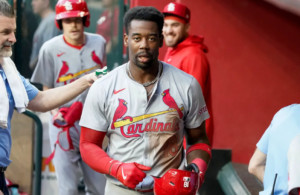
At some point, the Cardinals could reach a moment where they feel compelled to reconsider how long they should continue to evaluate Walker at the major league level. While the organization is currently navigating a rebuilding phase, that does not necessarily mean they will continue to provide unlimited opportunities to players who are not producing. Even rebuilding teams must weigh performance when making decisions about playing time.
This situation is particularly complicated because Walker was once viewed as one of the most exciting young players in the organization. When he first emerged as a top prospect, the Cardinals envisioned him becoming a cornerstone of their lineup a powerful middle of the order hitter capable of delivering consistent offensive production for years to come. Because of that long term expectation, the organization has been patient with his development.
However, patience can only last so long in professional sports. When a player repeatedly struggles to translate potential into results, teams eventually begin exploring alternative paths. If Walker cannot show signs of improvement soon, there is a possibility that the Cardinals may decide to move in a different direction with their outfield alignment.
For fans of the Cardinals, the situation has become somewhat frustrating. Many supporters have been eagerly waiting to see Walker finally break out and establish himself as the power hitting star the team believed he could become.
Over the past several seasons, glimpses of that potential have appeared at times, but sustained production has remained elusive. Each new season has brought renewed hope that Walker might take the next step in his development, yet the breakthrough has not fully materialized.
Meanwhile, another young Cardinals player, Nolan Gorman, has shown flashes of what he might be capable of this spring. While Gorman’s performance has not been perfect, he has at least demonstrated moments where his raw power and offensive upside become evident. Those glimpses of production stand in contrast to Walker’s quieter spring, which has not featured the same kind of encouraging signs.
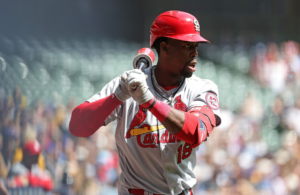
The difference between the two players’ performances could influence how the Cardinals evaluate their young talent moving forward. If Gorman continues to show progress while Walker struggles to find his rhythm, the organization might begin prioritizing players who appear to be trending upward.
Adding another layer to the situation is the presence of additional prospects within the Cardinals’ system who could eventually compete for outfield roles. One such player is Joshua Baez, who spent time in major league camp earlier this spring before being optioned to Triple A Memphis.
Baez reportedly had an impressive stretch during spring training before his reassignment, further demonstrating that the Cardinals have a number of potential outfield options developing within their system.
Baez’s performance serves as a reminder that competition within the organization remains strong. When multiple prospects and depth players are pushing for opportunities, the margin for error becomes smaller for someone like Walker. Even if the Cardinals still believe in his long term potential, they must also consider how other players are performing and whether those players deserve a chance to prove themselves at the major league level.
Of course, it is important to remember that spring training statistics are not always the most reliable indicator of how a player will perform during the regular season. Exhibition games often involve small sample sizes, varying levels of competition, and unusual circumstances that can affect results. Because of that, teams typically avoid making sweeping conclusions based solely on spring performance.
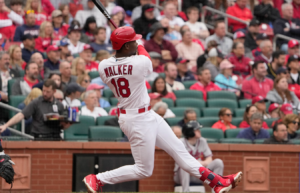
That said, spring training still serves an important purpose. It gives teams an opportunity to evaluate players, test different lineups, and observe how individuals are progressing in their development. If a player struggles significantly during that period especially when other players are thriving it can influence how teams approach roster decisions.
For Walker, this spring may represent a particularly important evaluation period. The Cardinals have invested time and resources into his development, and they still hope he can become a valuable contributor. But with each passing season, the pressure to deliver meaningful production increases.
If Walker wants to secure a long term role with the Cardinals, he will likely need to demonstrate that he can make the necessary adjustments at the plate. That includes improving his ability to drive the ball, lifting it more consistently, and producing the type of power numbers that were once expected from him. Without those improvements, it will become increasingly difficult for the organization to justify giving him everyday playing time.
As the Cardinals continue to navigate their rebuilding process, they must balance patience with practicality. Developing young players is an essential part of building a successful team for the future, but that process also requires identifying which players are truly capable of becoming core contributors. If Walker cannot establish himself as one of those players, the Cardinals may eventually shift their focus to other promising talents within the organization.
Ultimately, the decision about Walker’s future will depend on what happens in the coming weeks and months. Spring training may provide some early clues, but the regular season will be the true test. If Walker can find a way to unlock his offensive potential and produce at the level the Cardinals have long envisioned, he could still become an important piece of the team’s future.
However, if the struggles continue and other players outperform him, the organization may be forced to make a difficult choice. With several alternative options available both within the current roster and in the minor league system the Cardinals are not short on potential replacements.
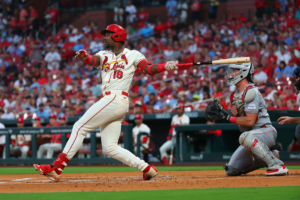
For now, the situation remains uncertain. Walker still has time to prove himself, but the window for doing so may be narrowing. The Cardinals will continue evaluating his performance while keeping an eye on the progress of the other players competing for opportunities.
As the 2026 season approaches, Cardinals fans will be watching closely to see how the organization handles this situation. Some supporters remain hopeful that Walker will finally deliver the breakout performance they have been anticipating for years. Others are beginning to question whether that breakthrough will ever happen.
Either way, the upcoming decisions surrounding Walker could play an important role in shaping the direction of the Cardinals’ roster as they attempt to build a competitive team for the future. While spring training statistics alone may not determine his fate, they have certainly added another layer of scrutiny to a player whose potential has long been a topic of discussion throughout the organization.