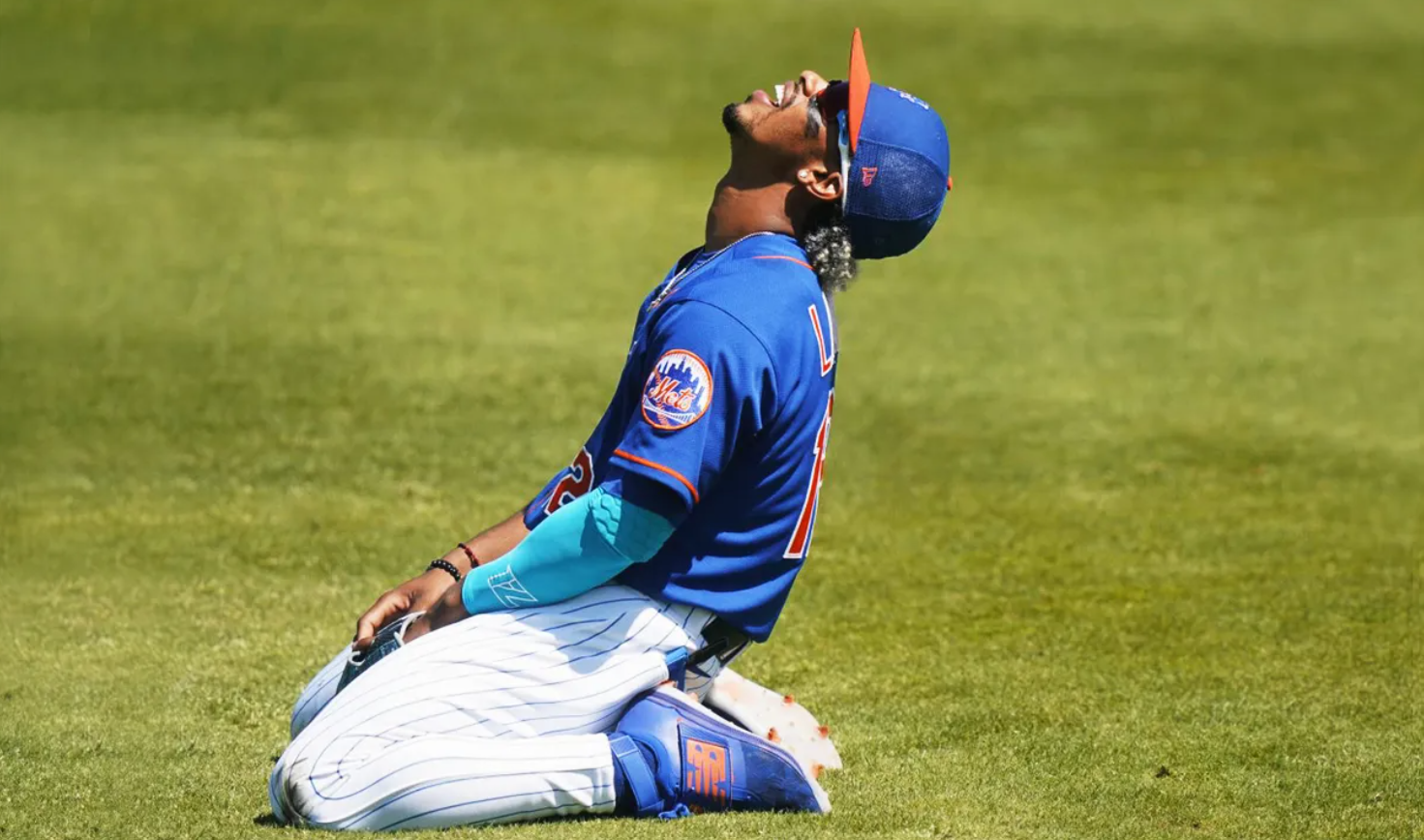
Francisco Lindor. As spring begins to settle in and the long winter gradually gives way to the promise of a new baseball season, the focus around the Mets organization remains fixed on one central question; will Lindor be ready when the games start to count? Even as March arrives and the regular season inches closer, Lindor continues to set his sights squarely on Opening Day as the ideal moment for his return to the field in Queens.
In a recent one on one conversation with Dan Martin of the New York Post, Lindor made it clear that his mindset hasn’t wavered. Though he has yet to participate in any live spring training games or full team workouts, he remains upbeat about his recovery timeline. His tone, by all accounts, reflected cautious optimism rather than blind confidence. He understands the challenges ahead but believes he is trending in the right direction.
The injury that has temporarily sidelined the Mets’ star shortstop traces back to the beginning of spring training. New York Mets president of baseball operations David Stearns announced that Lindor would need surgery to address a fracture in the hamate bone of his right hand.
The hamate, a small bone located in the wrist near the base of the hand, is particularly significant for hitters because it absorbs substantial force during swings. Injuries to this bone are not uncommon in baseball, but they often require surgical repair and a deliberate rehabilitation process to ensure full strength and mobility return.
From the outset, the team indicated that Lindor would be shut down from baseball activities for a period estimated between six and eight weeks. That timeframe alone cast some doubt on whether he would be available for Opening Day. However, Lindor has refused to rule it out. Instead, he has chosen to focus on incremental progress, taking each step of his rehabilitation as it comes.
Manager Carlos Mendoza provided additional context prior to a recent exhibition matchup against the Houston Astros. According to Mendoza, Lindor has been diligently working through controlled exercises, including one handed swings designed to maintain rhythm and muscle memory without placing undue stress on the healing bone.
These drills are an important bridge between total inactivity and full baseball participation. They allow a player to stay connected to the mechanics of hitting while protecting the injured area.
Mendoza noted that the next phase of Lindor’s recovery could arrive soon, provided his right hand continues to regain strength. If all goes well, Lindor may begin gradually increasing his workload in both batting practice and defensive drills. That would mark a significant milestone in his journey back to the lineup. For now, though, the emphasis remains on patience and careful monitoring.
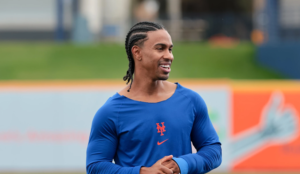
Lindor himself has chosen not to disclose a rigid rehabilitation schedule. Instead, he conveyed to Martin that he feels encouraged by where he stands physically. He described being in a “good spot,” suggesting that his progress has met or perhaps slightly exceeded initial expectations.
At 31 years old, Lindor has accumulated enough experience to understand the importance of not rushing back prematurely. He recognizes that a setback could be more damaging than a short delay at the start of the season.
While he reiterated that Opening Day remains his goal, Lindor was transparent about the uncertainty that still surrounds the situation. With several weeks remaining before the season begins, he admitted that it is simply too early to declare definitively whether he will be ready. That blend of ambition and realism characterizes his approach: aim high, but respect the process.
Since arriving in New York in January 2021, Lindor has established himself not only as the centerpiece of the franchise but also as one of its most durable players. Over five seasons in Flushing, he has missed only 52 games in total. Remarkably, during the 2025 campaign, he was sidelined for just two contests. His consistency in staying on the field has been a hallmark of his tenure with the club.
The 2025 season in particular underscored his value. Lindor posted a .267 batting average along with a .346 on base percentage and a .466 slugging percentage. His offensive production included 31 home runs and 86 runs batted in, complemented by an impressive .812 OPS.
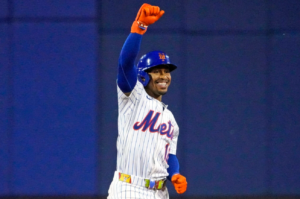
Additionally, he swiped 31 bases, demonstrating that his athleticism remains a significant component of his game. Those numbers reflect not just solid performance but star level impact on both sides of the ball.
Given that track record, it is no surprise that the Mets are eager to have him back as soon as possible. Lindor’s presence at shortstop anchors the infield defensively while also serving as a spark in the batting order. His combination of power, speed, and leadership is difficult to replicate.
However, the club must also prepare for the possibility that Lindor’s recovery timeline may extend beyond Opening Day. Complicating matters further is the injury to infielder Grae Kessinger.
Initially viewed as a potential depth option should Lindor require additional time, Kessinger is now expected to miss between eight and twelve weeks due to a significant injury to his left knee. According to Mendoza, surgical intervention remains under consideration, which would effectively remove Kessinger from the early season equation.
With Kessinger unavailable, the Mets’ internal options become even more critical. Mendoza expressed confidence in the organization’s remaining infield depth. Among those under consideration are Vidal Bruján and Ronny Mauricio. Both players offer versatility and athleticism, and each could factor into the Opening Day roster if needed.
Bruján brings speed and the ability to move around the diamond, attributes that can provide flexibility in constructing lineups and defensive alignments. Mauricio, meanwhile, has long been regarded as a promising talent with the tools to impact games offensively. While neither player fully replicates Lindor’s established production or leadership, they represent viable contingency plans should circumstances require.
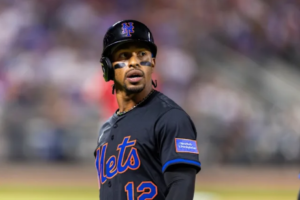
Interestingly, Lindor himself appeared unconcerned about any potential gap at shortstop. In his remarks to Martin, he conveyed confidence in his teammates, stating plainly that the team “is going to be fine.” That comment reflects both his trust in the roster and his broader perspective. Baseball seasons are long and unpredictable, and successful teams often rely on depth during stretches when key contributors are sidelined.
The broader narrative surrounding Lindor’s recovery is one of resilience and measured optimism. Hand injuries, particularly those involving the hamate bone, can sap a hitter’s power temporarily even after clearance to return.
The Mets’ medical and training staff will undoubtedly monitor not only the structural healing of the bone but also the restoration of grip strength and swing explosiveness. The ability to drive the ball with authority is central to Lindor’s offensive profile.
At the same time, Lindor’s defensive responsibilities at shortstop demand full confidence in his throwing hand. Every play from routine grounders to high pressure throws across the diamond places stress on the wrist and hand. Ensuring that he can perform these actions without hesitation is essential before he reenters game competition.
As Opening Day approaches, the organization faces a delicate balancing act. On one hand, having Lindor in the lineup from the outset would provide stability and momentum. On the other, prioritizing his long term health over a handful of early season games may ultimately prove more prudent.
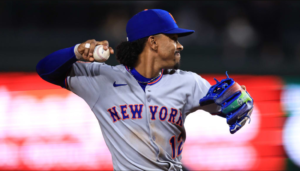
The Mets’ aspirations extend beyond April; they envision a full campaign with postseason ambitions. Preserving their cornerstone player for the marathon rather than rushing him for the sprint aligns with that broader vision.
For now, the narrative remains fluid. Lindor continues his daily rehabilitation work, building strength incrementally and gauging his progress. Mendoza and the coaching staff provide updates as milestones are reached, while Stearns and the front office monitor the bigger picture.
The anticipation surrounding Lindor’s return underscores his importance not just statistically but symbolically. Since donning a Mets uniform, he has embodied the franchise’s commitment to competing at a high level. His durability over the past five seasons has reinforced that image, making this current injury feel like a rare interruption rather than a recurring concern.
Whether he ultimately steps onto the field on Opening Day or shortly thereafter, Lindor’s determination to aim for that date speaks volumes about his competitive drive. He is not content to sit passively on the sidelines. Instead, he channels his energy into preparation, striving to position himself for a seamless reintegration into the lineup.
In the meantime, the Mets will continue evaluating their infield options, mindful of both Lindor’s timeline and Kessinger’s extended absence. The potential contributions of Bruján and Mauricio loom larger under these circumstances, and their performances during the remainder of spring training could carry added significance.
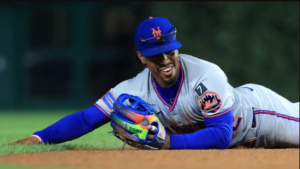
Ultimately, the story is less about a specific date and more about a process. Lindor’s recovery journey highlights the interplay between medical caution and athletic ambition. It illustrates how modern baseball organizations manage injuries with an eye toward both immediate competitiveness and sustained success.
As March unfolds and the countdown to the regular season accelerates, one thing remains certain; Francisco Lindor is doing everything within his control to make Opening Day a reality. Yet he and the Mets understand that readiness cannot be forced. It must be earned through steady progress, honest assessment, and unwavering commitment to health.
Until a definitive decision is made, optimism persists in Queens. Lindor believes the team will be fine regardless of the temporary uncertainty, and his confidence resonates throughout the clubhouse. Whether on the field from day one or joining shortly thereafter, his return will mark an important chapter in the Mets’ 2026 campaign a season that, like every other, begins with hope and the promise of possibility.