The Washington Nationals have begun another round of roster reductions as their major league spring training camp moves deeper into March. With Opening Day approaching, the organization has started trimming the number of players competing for spots on the big league roster. This phase of spring training is a normal part of the preseason process, but it also signals that the club is narrowing its focus toward finalizing the group that will begin the regular season.
Several players who entered camp with hopes of making the Opening Day roster have already seen their situations change. Some were optioned to the minor leagues, specifically to Triple A with the Rochester Red Wings, the Nationals’ top affiliate. Others were reassigned to the organization’s minor league camp, meaning they will continue preparing for the season but are no longer in consideration for an immediate spot on the major league roster.
These moves are common in the latter half of spring training, as teams need to reduce the number of players in big league camp and give more playing time to those still competing for roster spots.
As the calendar moves closer to March 26 the date when many teams begin finalizing their Opening Day rosters the Nationals are expected to continue making additional cuts. The coaching staff and front office have spent weeks evaluating players in exhibition games, workouts, and live pitching sessions, and those evaluations are now translating into concrete decisions. Every spring, difficult choices must be made as teams balance veteran experience, young talent, and roster flexibility.
One of the players who ended up being affected by a recent roster move was veteran left handed reliever Richard Lovelady. Lovelady’s situation changed after the Nationals made a late addition to their pitching staff.
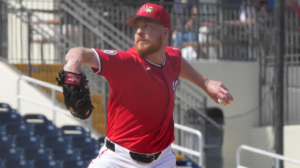
The team signed starting pitcher Zack Littell, a move that created a ripple effect within the roster structure. Because there are limited spots available on the 40 man roster, adding Littell required the Nationals to clear space, and Lovelady ultimately became the player designated for assignment.
Being designated for assignment, often referred to as DFA, places a player in a temporary status while the organization determines the next step. During that time, the player can be traded, released, or placed on waivers. In Lovelady’s case, he did not remain in limbo for very long. Another team quickly stepped in and claimed him before the Nationals could attempt to send him outright to the minors.
That team was the New York Mets, who claimed Lovelady off waivers shortly after he was designated for assignment. By making the claim, the Mets added the left handed reliever to their organization and took over his contract. For Lovelady, the move offers a fresh opportunity with a new club as the season approaches.
From the Mets’ perspective, adding Lovelady gives them another experienced option in their bullpen, particularly from the left side. Left handed relief pitchers are often valued for their ability to match up against tough left handed hitters late in games, and teams frequently search for additional depth in that role throughout the preseason. Lovelady’s major league experience likely made him an appealing pickup for a Mets club that continues to evaluate its bullpen configuration ahead of Opening Day.
For the Nationals, the decision was less about Lovelady’s performance and more about the roster math created by Littell’s signing. Adding a starting pitcher late in spring training can force difficult personnel moves, especially when a team already has a crowded pitching staff competing for limited roster spots. The front office evidently believed Littell could provide valuable depth or competition in the rotation, prompting them to make the corresponding move.
Spring training often brings these kinds of unexpected developments. A single signing, injury, or standout performance can shift the entire roster picture, leaving some players searching for opportunities elsewhere. For Lovelady, the timing turned out to work in his favor since he quickly landed with another organization rather than lingering on waivers without a clear path forward.

Meanwhile, the Nationals’ roster evaluation process is far from finished. With the preseason schedule winding down and the regular season drawing near, more players will likely be optioned or reassigned in the coming days. By the time Opening Day arrives, the team will have reduced its spring training roster to the standard 26 man active roster along with a set of players who will begin the season in the minor leagues.
In the coming weeks, the Nationals will continue assessing both veteran players and young prospects to determine who best fits their plans for the start of the season. While some players have already learned where they will begin the year, others remain in the middle of intense competition as the organization works toward finalizing its roster.
Mets Claim Richard Lovelady off Waivers
The New York Mets recently announced that they have decided to bring back left handed pitcher Richard Lovelady for yet another stretch with the organization. This marks the latest chapter in what has become a rather unpredictable relationship between the pitcher and the team over the past year.

Lovelady’s initial stint with the club began during the previous summer, when he signed a one year major league contract with New York in hopes of stabilizing a bullpen that was searching for reliable depth. Since then, however, his time with the Mets has been filled with roster moves, brief appearances, and multiple returns to the organization.
Lovelady’s first opportunity with the Mets was short lived. After making his initial appearance for the team, the organization designated him for assignment (DFA), a move that effectively removed him from the active roster while giving the team flexibility to make other roster adjustments.
Following that move, Lovelady chose to elect free agency rather than accept a minor league assignment, opening the door for other teams to potentially sign him. Despite that decision, his time away from the Mets did not last long.
Soon afterward, the Mets and Lovelady agreed to another major league contract, giving the veteran left hander another chance to prove himself at the big league level. This second opportunity, however, also proved to be temporary. After appearing in five games during that stint, Lovelady was once again designated for assignment as the team continued to shuffle pitchers in and out of the bullpen in search of consistent performance.
Interestingly, the organization still saw enough potential in Lovelady to keep the door open. At a later point, the Mets selected his contract again, bringing him back onto the roster for another opportunity. The repeated roster moves highlighted the complicated nature of bullpen management in Major League Baseball, where teams frequently cycle through pitchers as they attempt to maintain fresh arms and effective matchups.
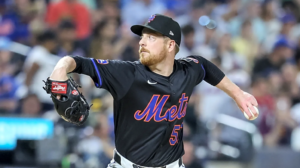
Even after returning to the roster, Lovelady’s stay with the Mets continued to be unstable. Over the course of the season, he was designated for assignment two more times, further illustrating how uncertain his place within the organization had become. Each move reflected the Mets’ ongoing effort to adjust their pitching staff based on performance, injuries, and roster needs.
Eventually, Lovelady’s journey with the Mets appeared to reach an end when the Washington Nationals claimed him off waivers on January 29 of this year. That transaction allowed the Nationals to take a chance on the experienced left handed reliever while giving him a new environment and potential role within another National League bullpen.
Looking back at his time in New York last season, Lovelady’s performance showed both flashes of effectiveness and signs of inconsistency. In total, he appeared in eight games for the Mets, pitching 10 innings across those outings. During that span, he allowed seven earned runs while giving up 10 hits. Although those numbers reflected some struggles on the mound, there were also positive aspects to his performance.
For example, Lovelady demonstrated the ability to miss bats, recording nine strikeouts during his 10 innings of work. His strikeout rate suggested that he still possessed the raw stuff necessary to challenge major league hitters. At the same time, he issued four walks, which contributed to some of the trouble he encountered in his outings. Command issues, combined with the runs he allowed, made it difficult for the Mets to rely on him consistently as a long term option in their bullpen.
Because of those inconsistencies, the Mets ultimately chose not to keep him in a permanent role during the season. Instead, they continued to move him on and off the roster as circumstances changed. Despite those struggles, the organization clearly believes there is still potential value in Lovelady’s left handed arm.
Now, with the Mets bringing him back once again, Lovelady has another opportunity to compete for a spot on the team’s pitching staff as the 2026 season approaches. Bullpen roles often remain fluid during spring training and the early part of the regular season, which means that pitchers like Lovelady can still carve out a meaningful role if they perform well.

If he can deliver more consistent results and limit runs, Lovelady could become a useful depth piece for the Mets, particularly as a left handed option capable of matching up against tough left handed hitters. Teams frequently value relievers who can provide situational advantages, and a strong showing could help him secure a longer stay in New York.
Ultimately, Lovelady’s story with the Mets has been defined by persistence and opportunity. Despite multiple roster moves and brief departures, the door has repeatedly reopened for him within the organization. As he prepares for another potential stint with the club, the left hander will once again look to prove that he can become a dependable part of the Mets’ bullpen moving forward into the 2026 campaign.
What Nationals Lose With Lovelady Being Claimed
When the Washington Nationals initially brought Richard Lovelady into the organization, it was not unreasonable to believe he might carve out a role in their bullpen. The Nationals were entering the season with several question marks among their relief pitchers, and adding a veteran arm like Lovelady appeared to be a sensible move.
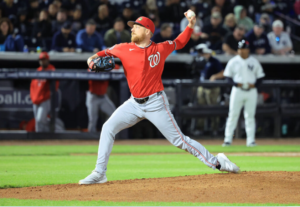
Even though his previous stint with the New York Mets had been inconsistent and at times frustrating, his experience at the major league level still gave him a degree of value. For a Washington team that struggled heavily with its pitching staff the previous year finishing with the highest bullpen ERA in all of Major League Baseball any pitcher with a track record of big league appearances had the potential to help stabilize the group.
From a roster building perspective, bringing Lovelady into the fold looked like a low risk attempt to strengthen the relief corps. The Nationals were in search of reliability and depth, and Lovelady’s background as a left handed reliever meant he could potentially fill a niche role.
Teams often value left handed bullpen arms because they provide matchup flexibility, especially against dangerous left handed hitters late in games. Given the Nationals’ lack of consistency in their bullpen the previous season, there was reason to believe that Lovelady could compete for a spot and contribute in certain situations.
In fact, Lovelady’s performance during spring training suggested he might indeed be capable of earning a place on the Opening Day roster. Over the course of four appearances in exhibition play, he pitched a total of four innings and delivered encouraging results. During that stretch, he surrendered only one earned run and allowed just four hits.
In addition to limiting damage on the scoreboard, he also demonstrated the ability to miss bats, striking out seven opposing hitters. While he did issue four walks, the overall results still indicated that he was pitching effectively and giving the coaching staff something positive to evaluate.
Considering those numbers, Lovelady appeared to be making a legitimate case to remain with the team. Spring training is often a proving ground where players fight for roster spots, and strong outings can help pitchers climb the depth chart. Lovelady’s ability to keep runs off the board and generate strikeouts suggested that he still possessed the tools to contribute at the major league level. For a team looking to rebound from a difficult pitching season, his solid spring showing seemed to strengthen his argument for inclusion in the bullpen.
Despite those encouraging performances, the Nationals ultimately chose a different direction. The organization designated Lovelady for assignment, a move that removed him from the active roster and opened up space for Zack Littell.

Decisions like this often come down to roster flexibility, long term planning, or simply the belief that another pitcher provides a better fit for the team’s needs. In this case, the Nationals’ front office and coaching staff decided that Littell’s presence on the roster was more important than continuing to carry Lovelady.
Although Lovelady had shown flashes of effectiveness during the spring, Washington’s bullpen picture offered several alternative options. The team already had multiple left handed pitchers competing for roles, which made the competition even tighter. With other southpaws performing well and potentially offering greater upside, Lovelady found himself squeezed out of the mix.
Among those competing left handed relievers were PJ Poulin, Cionel Pérez, and Ken Waldichuk. Each of these pitchers had been putting together strong showings of their own during spring training, making the battle for bullpen spots increasingly competitive.
Some of them possess higher long term ceilings, while others have already demonstrated more success against major league hitters in the past. As a result, the Nationals had several viable options to consider without needing to rely on Lovelady.
Because of that depth, losing Lovelady does not significantly weaken the team’s bullpen outlook. While it is never ideal for an organization to part ways with a pitcher who could potentially help another club especially one within the same division the Nationals still have enough alternatives to fill their left handed relief roles. Their pitching staff remains a work in progress, but the presence of multiple capable arms means the team is not overly dependent on any single player.

In the broader context of roster construction, the Nationals’ decision reflects the ongoing process of evaluating talent during spring training. Teams frequently make difficult calls as they narrow down their rosters ahead of Opening Day. Even players who perform reasonably well can be designated for assignment if the organization believes other pitchers provide a better overall fit.
Ultimately, while Lovelady’s departure might sting slightly particularly if he ends up contributing for a rival club it is unlikely to have a major impact on Washington’s plans for the upcoming season.
The Nationals are still sorting through their bullpen options and determining which combination of pitchers gives them the best chance to improve upon last year’s disappointing results. With several promising left handed relievers already in the picture, the team appears comfortable moving forward without Lovelady as they finalize their relief staff for Opening Day.