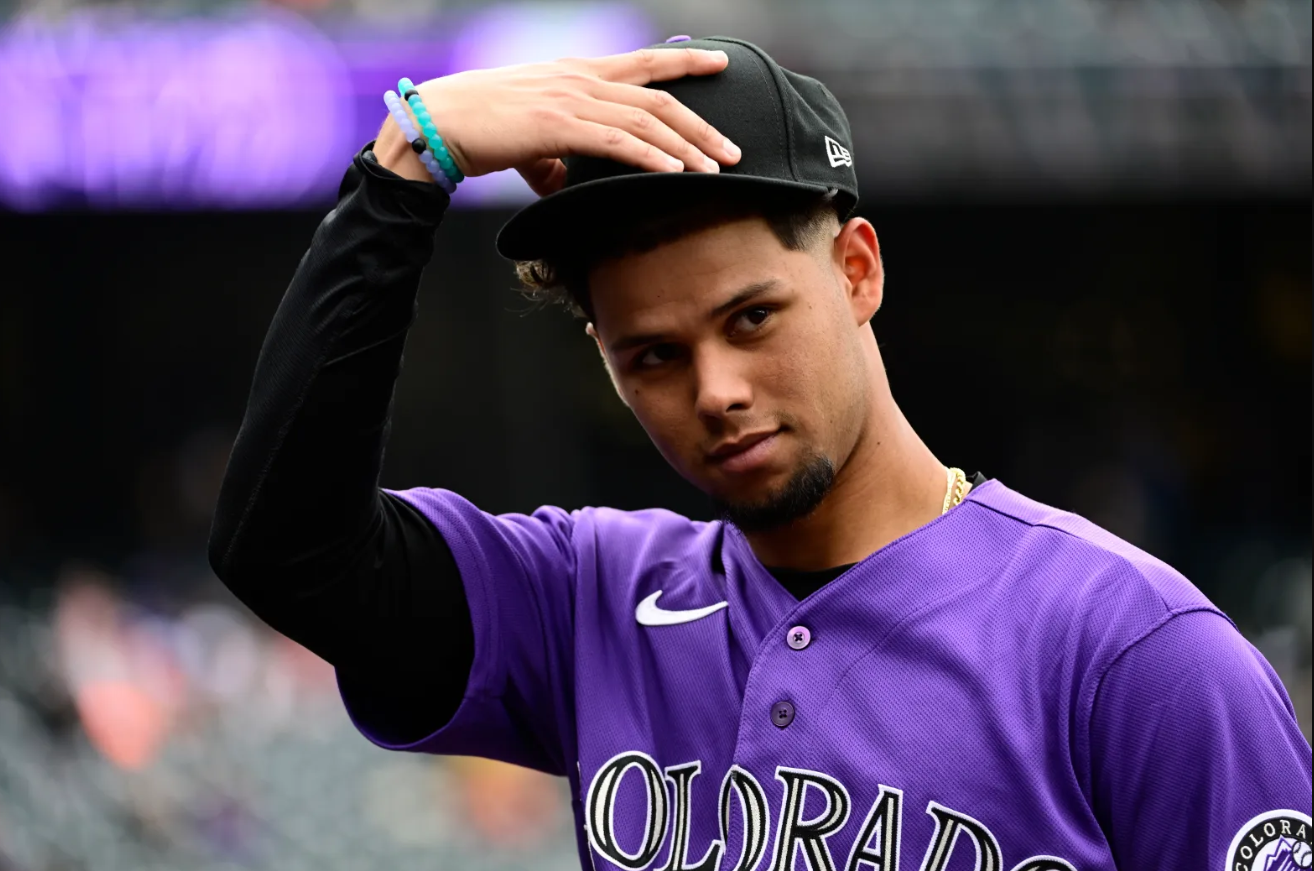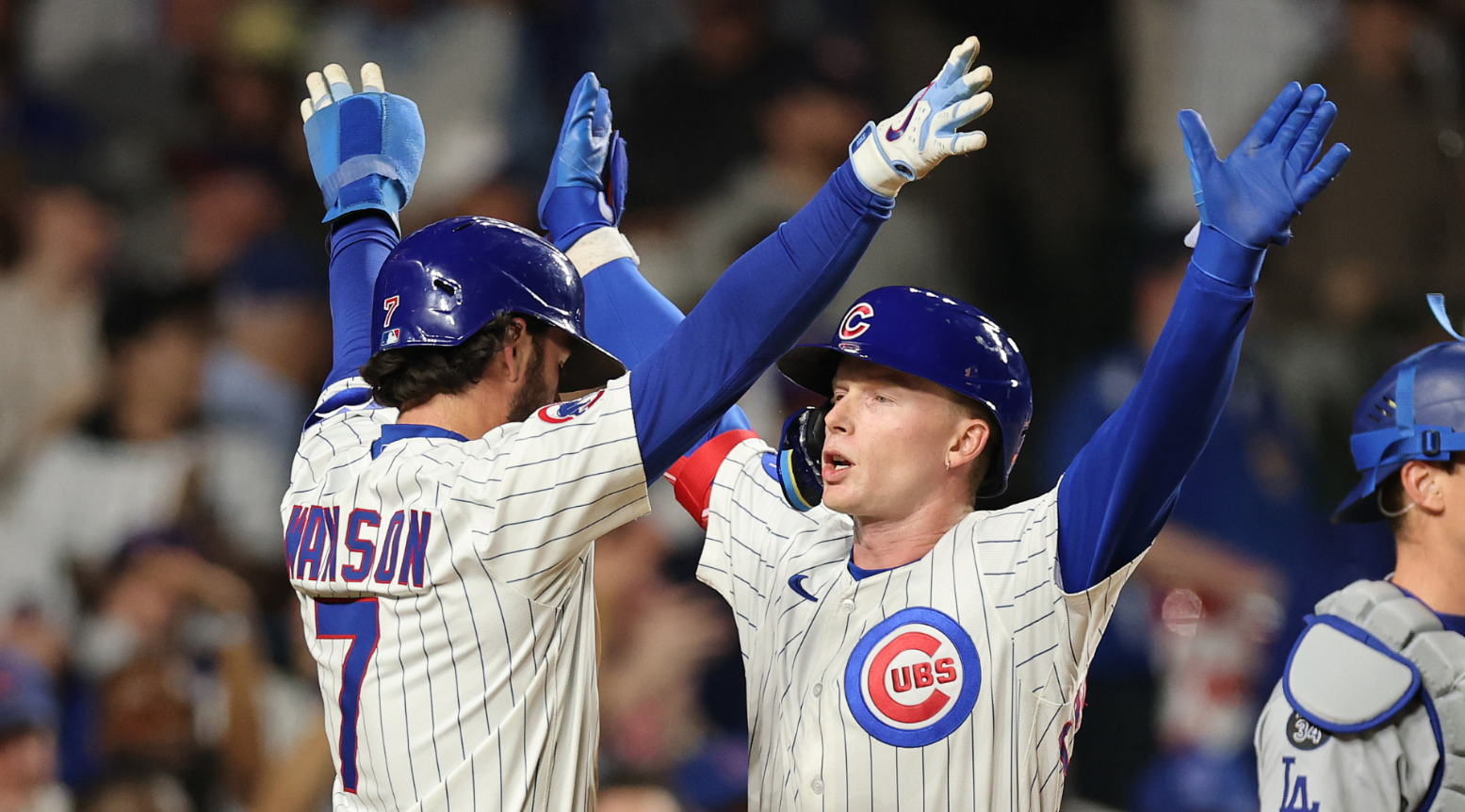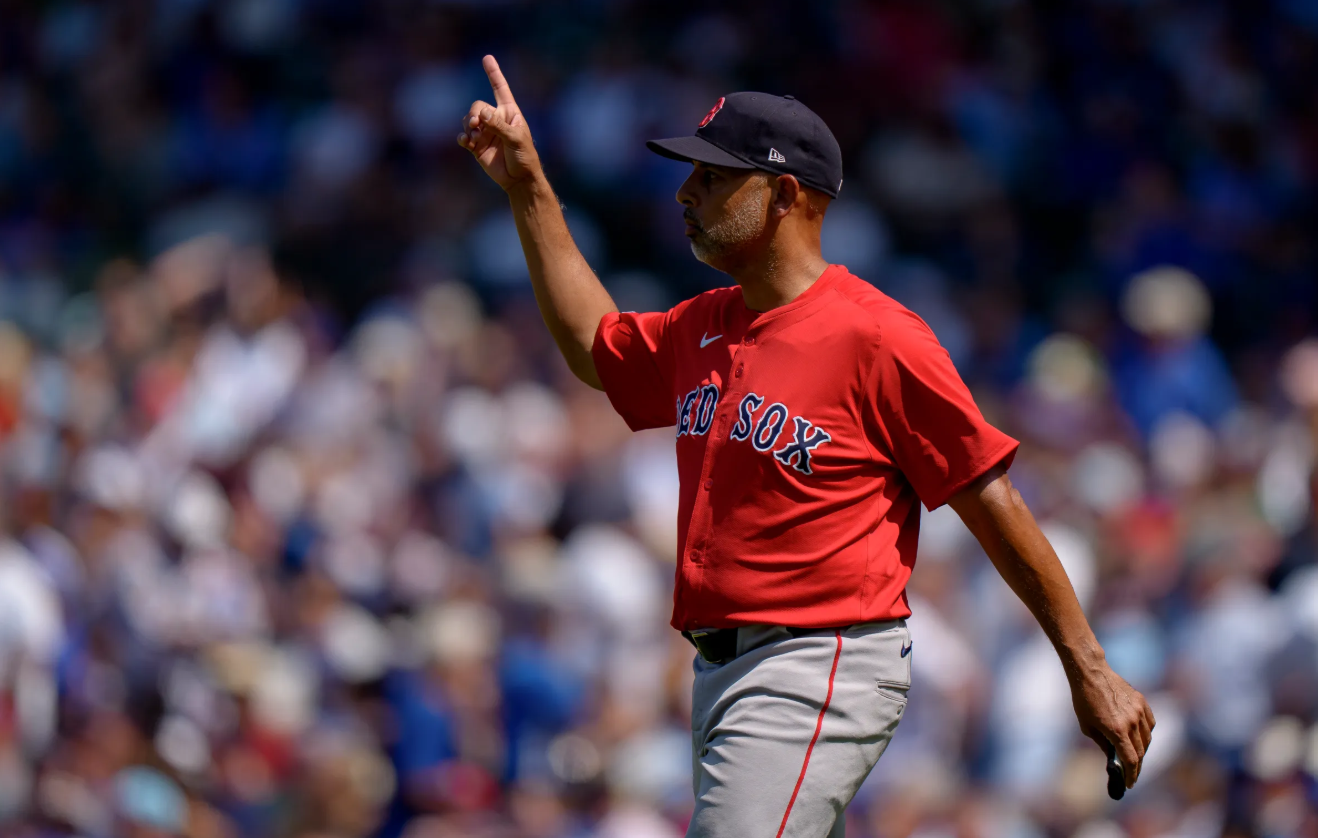
His baseball story is not the kind that follows a straight, predictable path. Instead, it’s a winding journey filled with setbacks, perseverance, and ultimately success. The veteran left handed pitcher, who recently signed a one year deal with the Boston Red Sox, comes from Scottsdale, a city well known for producing talented athletes. Coulombe attended Chaparral High School, a program that has earned a reputation as a breeding ground for professional baseball players and other notable figures.
Over the years, the school has produced several well-known alumni. Among them are former Chicago White Sox slugger Paul Konerko, former big-league first baseman Ike Davis, and pitcher Brian Bannister. Chaparral’s alumni list extends beyond baseball as well. Actress Busy Philipps, professional wrestling stars The Bella Twins, and bestselling author Stephenie Meyer who built a massive literary empire with her vampire romance novels also attended the same school.
Yet despite being surrounded by such successful alumni, Coulombe’s route to eventually joining that list was far from easy. In fact, at several points early in his career, it seemed as though his baseball dream might end before it ever truly began.
Early Struggles in College Baseball
After graduating from Chaparral High School, Coulombe continued his baseball career at the University of Southern California, joining the USC Trojans program. USC has historically been one of college baseball’s most prestigious programs, with a long tradition of developing professional talent. However, Coulombe’s first year there was anything but smooth.
During his freshman season, Coulombe barely saw the field. He appeared in only four games, struggling to establish himself on a roster loaded with talent and competition for playing time. For a player who had been accustomed to success in high school, the lack of opportunities and limited performance was a difficult adjustment.
Hoping for a fresh start and more playing time, Coulombe transferred the following season to a community college in the Phoenix area. Unfortunately, what was supposed to be a turning point quickly became another devastating setback. In his very first start of the season, Coulombe injured his shoulder in the opening inning. The injury was severe enough that it ended his season almost immediately.
That moment proved to be a pivotal crossroads in his career. After two disappointing college stops and a serious injury, Coulombe began to question whether continuing in baseball made sense. The combination of frustration, physical setbacks, and uncertainty about his future nearly pushed him to walk away from the sport entirely.
A Crucial Second Chance
Rather than giving up, Coulombe decided to make one more attempt to revive his baseball career. He transferred again, this time to Texas Tech University, where he joined the Texas Tech Red Raiders.
His debut with Texas Tech brought immediate signs of promise. On Opening Day, Coulombe took the mound and delivered an impressive performance, contributing the majority of the innings in a combined two hit shutout. The outing demonstrated the talent that scouts and coaches had seen glimpses of earlier in his career.
However, just as things seemed to be turning around, misfortune struck again. After throwing only 21 innings that season, Coulombe suffered another serious injury that required Tommy John surgery. The procedure common among pitchers but still a major hurdle meant months of recovery and rehabilitation.
Despite the extremely limited sample size of his performance, Coulombe had shown enough potential to catch the attention of professional scouts. The Los Angeles Dodgers decided to take a chance on him in the 2012 Major League Baseball Draft, selecting him in the 25th round.
The Beginning of a Major League Career
Being chosen in the later rounds of the draft is rarely a guarantee of a professional career, let alone a long one. Still, Coulombe worked his way through the minor leagues, gradually refining his pitching style and recovering from the injuries that had plagued his college years.
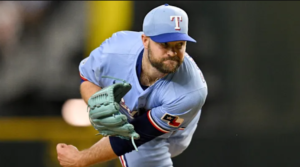
Two years after being drafted, Coulombe achieved a milestone that once seemed unlikely; he made his Major League debut. From that point forward, he began building a reputation as a reliable left handed relief pitcher. Over time, he carved out a niche for himself as a specialist capable of neutralizing opposing hitters late in games.
Throughout his career, Coulombe spent time with several teams, but he was particularly associated with the Oakland Athletics and the Minnesota Twins. In those roles, he developed into a dependable bullpen arm who could step into high leverage situations when needed.
Relievers often have unpredictable careers, frequently moving from team to team depending on roster needs. Still, Coulombe managed to remain in the majors for more than a decade an impressive feat for someone who once nearly quit the sport.
A Pitching Style Built on Craftiness
One of the most intriguing aspects of Coulombe’s success is how he achieves it. Unlike many modern pitchers who rely on blazing fastballs approaching triple digit velocity, Coulombe’s approach is far more subtle.
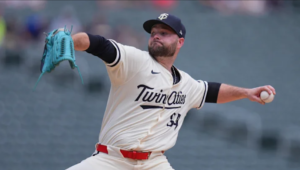
His fastball typically averages just above 90 miles per hour, which ranks among the slower velocities for major league pitchers. Yet what he lacks in raw power, he makes up for with control, deception, and pitch sequencing.
Coulombe embodies the classic “crafty left hander” archetype. Pitchers in this mold rely on movement, location, and intelligence rather than pure speed. By mixing pitches effectively and keeping hitters off balance, they can generate strikeouts and weak contact despite not overpowering opponents.
When healthy, Coulombe has consistently posted strong strikeout rates while limiting walks two key indicators of pitching effectiveness. His ability to disrupt hitters’ timing often leads to frustration at the plate. Many opposing batters find themselves swinging through pitches or making weak contact that results in routine outs.
A Remarkable 2025 Season
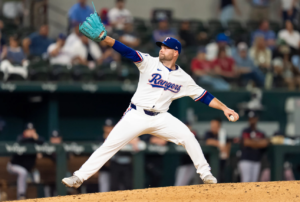
Coulombe’s performance during the 2025 season illustrated just how effective he can be when everything is working properly. While pitching for the Minnesota Twins, he appeared in 40 games and produced one of the most impressive statistical lines among relievers.
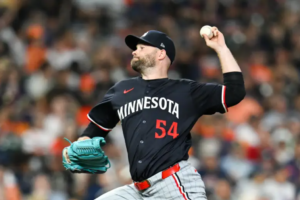
His ERA+ a metric that adjusts earned run average for ballpark and league conditions reached an extraordinary 371. To put that in perspective, even elite closers rarely achieve numbers that high. For comparison, flamethrowing reliever Aroldis Chapman posted an ERA+ of 351 that same year, which was already considered exceptional.
Such a performance placed Coulombe among the most dominant bullpen arms in baseball for much of the season. He consistently shut down opposing hitters, preventing runs while maintaining strong strikeout numbers.
However, baseball seasons are long and unpredictable, and circumstances changed later in the year.
A Midseason Trade and Struggles
At the trade deadline, the Twins dealt Coulombe to the Texas Rangers, sending him to Arlington. Trades can be difficult adjustments for players, requiring them to quickly adapt to new teammates, coaches, and environments.
Unfortunately for Coulombe, his time with the Rangers did not go nearly as smoothly as his earlier performances with Minnesota. Over 12 innings, he struggled significantly, surrendering 11 hits and issuing nine walks. The command and efficiency that had defined his earlier success seemed to disappear.
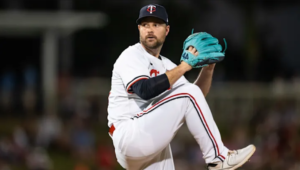
The result was a much higher earned run average and a noticeable decline in effectiveness. Whether due to mechanical issues, fatigue, or simply the unpredictability of baseball, Coulombe’s late season stretch in Texas contrasted sharply with the dominance he had shown earlier in the year.
Injuries: The Persistent Challenge
Another factor that has shaped Coulombe’s career is his ongoing battle with injuries. The physical toll of pitching especially over many seasons can be immense, and Coulombe has experienced his share of setbacks.
Between 2022 and 2025, he averaged just 39 appearances per season, missing time due to a variety of ailments. These included injuries affecting his hips, biceps, elbow, forearm, and shoulder. For a pitcher, problems in any of those areas can significantly impact performance and durability.
Because of these health concerns, teams have often approached Coulombe with caution when evaluating his value. While his performance when healthy has been impressive, the risk of injury inevitably affects contract offers and roster decisions.
Joining the Boston Red Sox
Given both his strong track record and injury history, it’s understandable why Coulombe’s most recent contract is relatively modest. The Boston Red Sox signed him to a one year deal worth $1 million, a low risk move that could still yield significant upside.
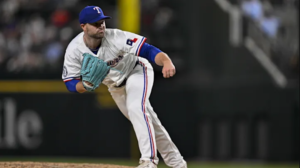
For Boston, adding a veteran left handed reliever provides valuable depth in the bullpen. Experienced pitchers like Coulombe can serve multiple roles, from situational matchups against tough left handed hitters to broader middle relief assignments.
At 36 years old, Coulombe is entering the later stage of his career. Many pitchers at that age rely heavily on experience, strategy, and mental toughness to remain competitive. The comparison has even been made to fictional veteran pitcher Eddie Harris, who famously relied on cunning rather than raw power late in his career.
2025 Statistical Breakdown
For those who prefer a quick statistical overview, Coulombe’s 2025 season can be summarized as follows:
With the Minnesota Twins
- 31.0 innings pitched
- 1.16 ERA
- 31 strikeouts
- 21 hits allowed
- 9 walks
- 0 home runs allowed
With the Texas Rangers
- 12.0 innings pitched
- 5.25 ERA
- 12 strikeouts
- 11 hits allowed
- 9 walks
- 3 home runs allowed
The contrast between these two stretches highlights the volatility that can occur for relievers over the course of a season.
The Type of Pitcher Who Frustrates Hitters
When Coulombe is performing at his best, hitters often struggle to square up his pitches. His deceptive delivery and well-placed pitches can generate weak contact, awkward swings, and frequent strikeouts.
Sometimes the frustration becomes visible. Batters who fail to make solid contact may slam bats or vent their annoyance in the dugout after returning from an unsuccessful plate appearance. In many cases, those reactions are a testament to Coulombe’s ability to disrupt timing and rhythm at the plate.
While he may not possess the intimidating velocity of the hardest throwers in baseball, Coulombe’s craftiness and experience allow him to compete effectively against even the most talented hitters.
A Career Defined by Persistence
Danny Coulombe’s journey illustrates the unpredictable nature of professional sports. From nearly quitting baseball during his college years to building an 11 year major league career, his path has been anything but conventional.
He overcame early struggles at University of Southern California, serious injuries, and multiple transfers before finally reaching the major leagues. Even then, he had to adapt to the constant challenges of maintaining performance and health.
Now, as he prepares for another season with the Boston Red Sox, Coulombe continues to rely on the same determination that kept him from giving up years ago. Whether he adds another strong chapter to his career or simply serves as a steady veteran presence, his story already stands as a testament to resilience in the world of baseball.
For a player who once considered walking away from the game entirely, lasting more than a decade in the majors is an accomplishment few would have predicted. And if his past has shown anything, it’s that Danny Coulombe has a habit of defying expectations.
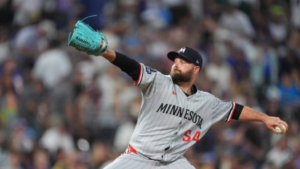
In the photo above, what exactly is he doing? It almost looks as if he’s trying to perform a cartwheel just before throwing the pitch. Of course, that kind of move would never be allowed under the rules of baseball, but it does have a bit of a cartoonish charm.
It’s the sort of thing you might imagine Bugs Bunny pulling off on the mound while casually spinning his way through yet another flawless performance. The playful comparison only adds to the mystique of Danny Coulombe’s identity as a crafty, unconventional left handed pitcher who relies on deception and finesse rather than pure power.
So where does he fit with the Boston Red Sox heading into the 2026 season? The answer becomes clearer when you consider the team’s current bullpen situation. As Jacob Roy highlighted in a recent preview of the club’s left handed relief options, the Red Sox were noticeably thin in that department.
Prior to Coulombe’s arrival, Jovani Moran appeared to be the most likely candidate to serve as the first left handed reliever called upon out of the bullpen. That lack of depth created an obvious need for another experienced arm capable of handling left handed hitters in key situations.
Coulombe’s presence helps address that issue immediately. With his experience and track record as a situational reliever, he is expected to step directly into that role, giving the Red Sox another reliable option when they need to neutralize dangerous left handed bats late in games. His ability to mix pitches and keep hitters off balance has long been his calling card, making him a valuable piece in a bullpen that was searching for stability from the left side.
However, how long Coulombe remains in that position will depend on a couple of important factors. His health will be a major consideration, especially after the difficulties he encountered last season while pitching for the Texas Rangers.
Just as important will be his ability to rediscover the effectiveness that made him successful earlier in his career. If he can stay healthy and correct whatever issues plagued him in Texas, Coulombe could become an important contributor to Boston’s relief corps throughout the season.