New York Mets, It’s relatively rare for a minor league reliever to create even a modest wave of excitement within a fan base or scouting community. Relief prospects, by nature, tend to face longer odds when it comes to earning recognition, especially compared to highly touted starters or everyday position players.
Yet a few years ago, Nave Lavender managed to do just that. When evaluators and analysts assembled their rankings of the New York Mets’ top prospects, Lavender’s name generated legitimate intrigue. He wasn’t simply another bullpen arm buried in the system he was a pitcher whose performance demanded attention.
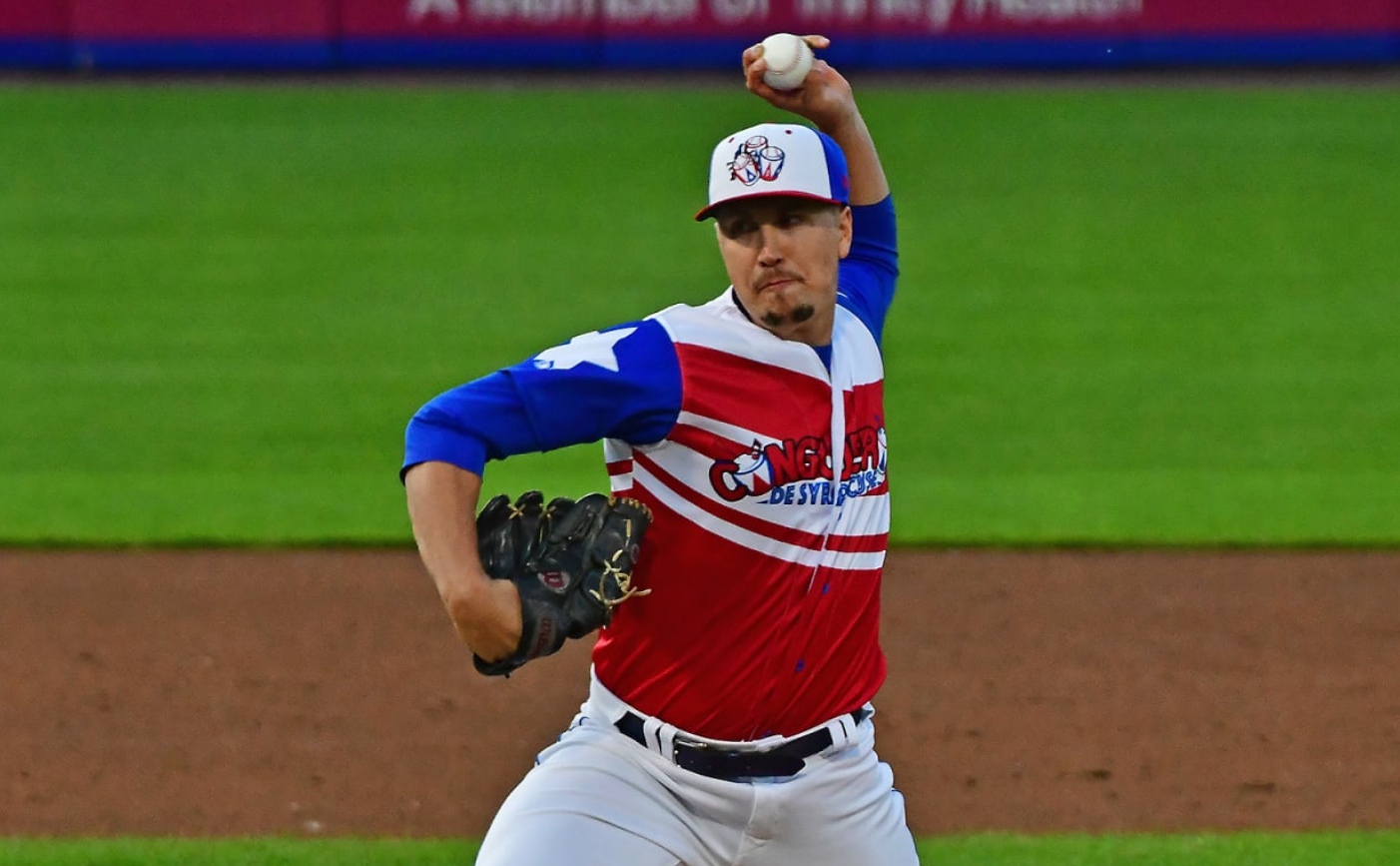
At the time, Lavender was coming off an impressive 2023 campaign that saw him excel at both Double-A Binghamton and Triple-A Syracuse. Standing 6-foot-2 and 23 years old during that breakout stretch, the left hander appeared to be on the cusp of something significant.
His combination of size, handedness, and swing and miss stuff made him an appealing option in an era when teams covet power arms capable of neutralizing tough left handed hitters late in games. Given the trajectory he was on, it didn’t feel far fetched to envision him earning a call to the big leagues at some point during the 2024 season.
Unfortunately, baseball development rarely follows a straight line.
Lavender began the 2024 season in Syracuse, seemingly poised to continue building on his previous success. The plan appeared straightforward, show he could sustain his dominance at the highest minor league level, tighten up certain areas of his game, and force the Mets’ hand when bullpen reinforcements were needed.
But after just five appearances with Syracuse to open the year, his momentum came to a sudden halt. Lavender was placed on the injured list, a development that immediately cast uncertainty over what had once looked like a promising campaign.
Not long after landing on the IL, Lavender underwent internal brace surgery a procedure designed to address damage to the ulnar collateral ligament in the elbow. While the internal brace method can sometimes offer a quicker recovery timeline than traditional Tommy John surgery, it still requires extensive rehabilitation and careful progression.
The surgery effectively ended Lavender’s 2024 season before it ever had a chance to truly begin. Instead of refining his craft in Triple-A and pushing for a promotion, he was left focusing on rehab assignments, strengthening programs, and the slow, often frustrating process of regaining full health.
As the year concluded, the Mets were faced with a roster decision. Lavender, who had not pitched since the early days of the season, was left unprotected in the Rule 5 Draft. For players on the bubble, the Rule 5 Draft can represent both opportunity and risk.
In Lavender’s case, it offered another organization a chance to take a flier on a talented but injured arm. The Tampa Bay Rays, a franchise widely regarded for its ability to identify and develop pitching talent, selected him.
The hope from their perspective was clear, if Lavender returned to form, they might gain a controllable left handed reliever capable of contributing at the major league level in 2025.
However, the road back from surgery proved anything but smooth.
Lavender’s recovery did not progress quickly enough for him to see game action during the 2025 season at any level. He remained sidelined, continuing his rehabilitation without the benefit of competitive innings.
For a pitcher, especially one whose game relies heavily on sharp command and explosive stuff, the absence of game reps can be a significant hurdle. Development stalled not because of performance, but because of physical limitations.
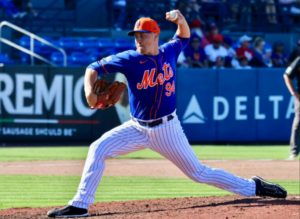
Eventually, the Rays designated Lavender for assignment after the season. When he cleared waivers, he was returned to the Mets organization. While that sequence might seem discouraging on the surface, it also represented a second chance. The Mets regained a pitcher they once believed had legitimate upside, albeit one who now carried additional questions about durability and long term projection.
Originally selected by the Mets in the 14th round of the 2021 MLB Draft, Lavender has steadily climbed the ladder since entering professional baseball. Now 26 years old, he finds himself at a pivotal juncture. Nearly two full years have passed since he last appeared in a competitive game.
For many pitchers, such a gap can alter the trajectory of a career. The immediate objective for Lavender is no longer about forcing a promotion or posting eye popping strikeout totals. Instead, it’s about proving he can return to the mound, remain healthy, and handle the physical demands of a full season.
Spring training looms as a crucial proving ground. Even if expectations are tempered, the simple act of taking the ball regularly, facing hitters, and emerging unscathed would represent meaningful progress. Health, at this stage, is the primary benchmark.
Assuming Lavender demonstrates that he’s physically sound, the logical landing spot to begin the season would once again be Triple-A Syracuse. That’s where he last pitched meaningful innings, and it remains the final stepping stone before the majors. His previous track record there and at Double-A provides a blueprint for what he can offer.
Throughout his minor league career, Lavender has shown a consistent ability to miss bats. His strikeout rates have often been among his most eye catching statistical traits. In 2023, particularly, he displayed the kind of swing and miss stuff that organizations covet in late-inning relievers.
High strikeout rates can compensate for other shortcomings, and Lavender’s ability to generate whiffs suggested he possessed at least one plus pitch capable of overpowering hitters.
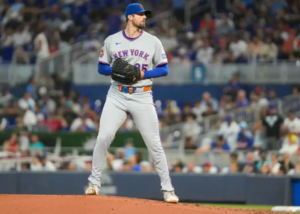
That said, his profile has never been flawless.
Control has been an area of concern at times. Lavender has walked more hitters than ideal, a common issue for power relievers still refining their command. Free passes can quickly undermine otherwise dominant outings, particularly in high leverage situations. If he hopes to position himself as a reliable bullpen option in the majors, tightening his walk rate will be essential.
Another wrinkle emerged when he reached Triple-A. Earlier in his minor league career, home runs were not a significant issue. But during his stint with Syracuse, he began allowing more long balls than he had at previous stops.
Whether that trend reflected mechanical inconsistencies, the quality of opposing hitters, or the offensive environment of Triple-A is difficult to parse. Still, limiting hard contact will be another area to monitor as he resumes pitching.
Realistically, even an impressive spring training showing would likely not vault Lavender onto the Mets’ Opening Day roster. The organization will want to see sustained health and performance over a longer stretch before committing a major league spot.
However, the Mets’ bullpen picture is not entirely settled. While there are established arms in place, there are also openings and competitions that could create opportunities as the season unfolds.
Bullpens, by nature, are fluid. Injuries occur. Performance fluctuates. Roles evolve. A reliever who starts the year in Triple-A can find himself in the majors by midseason with a strong stretch of outings. For Lavender, that possibility remains within reach, provided he can reestablish himself.
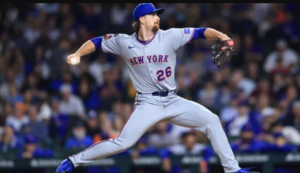
At 26, he is no longer a fresh faced prospect, but he is far from aging out of relevance. Relievers often develop later than starters, and career arcs can shift quickly with a few months of strong performance. The key variable in Lavender’s case is health. If his elbow responds well and his stuff returns to pre-surgery levels, the Mets may once again view him as a legitimate bullpen candidate.
His journey underscores the precarious nature of pitching development. One year, he was a name generating prospect buzz, viewed as a near term call up option. The next, he was sidelined by injury, navigating surgery and uncertainty. Now, he stands at a crossroads, armed with both prior promise and recent adversity.
For the Mets, bringing him back into the fold offers low risk upside. If he regains his strikeout heavy form and reins in the walks, he could bolster organizational depth and perhaps contribute at the big league level. If not, the investment remains modest.
Ultimately, Lavender’s immediate goal is straightforward, take the mound, stay on it, and demonstrate that the pitcher who once climbed rapidly through Binghamton and Syracuse still exists. From there, performance will dictate the next chapter. In a bullpen landscape that rarely remains static, even a reliever who has endured setbacks can quickly reenter the conversation.