Bad Bunny has been impossible to ignore lately. Whether it’s music fans, pop culture observers, or even professional athletes, his name keeps surfacing in conversations across multiple worlds. Fresh off a dominant showing at the Grammy Awards and with a highly anticipated Super Bowl halftime performance looming, the Puerto Rican superstar continues to command attention in ways few artists ever manage to do. His influence has stretched far beyond music, reaching into sports, politics, and global culture and now even NFL quarterbacks are weighing in.
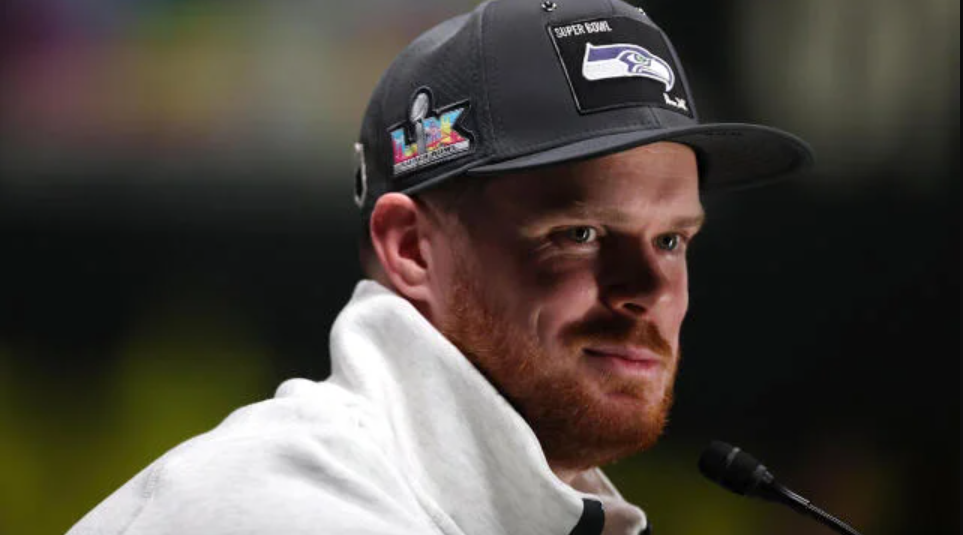
Among those publicly sharing their admiration is Seattle Seahawks quarterback Sam Darnold, who recently made it clear that he’s firmly on board with Bad Bunny’s rise and his upcoming appearance on football’s biggest stage. While Darnold will obviously be focused on his own responsibilities during Super Bowl LX at Levi’s Stadium, he didn’t hide his excitement about the artist selected to headline the halftime show.
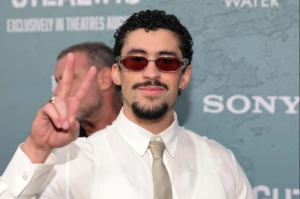
Bad Bunny, whose real name is Benito Antonio Ocasio Martínez, was initially a somewhat surprising choice for the NFL’s most watched musical showcase. The Super Bowl halftime show has traditionally leaned toward mainstream pop icons or legacy acts with broad, multi generational appeal.
As a result, the announcement that a Spanish language artist would headline such a massive event prompted mixed reactions when it first broke. Some fans questioned whether his music would resonate with the NFL’s core audience, while others applauded the league for embracing a more global and culturally diverse approach.
Over time, however, skepticism has steadily given way to acceptance and in many cases, enthusiasm. Bad Bunny’s recent achievements have only strengthened the case that he belongs on that stage. His ability to dominate global charts, sell out stadiums worldwide, and reshape what mainstream music looks like has become impossible to deny. That growing appreciation is evident not just among music fans, but also among athletes like Darnold, who openly praised the artist during a media availability session.
Speaking with reporters, the 28 year old quarterback expressed genuine excitement about Bad Bunny’s presence at the Super Bowl, calling the moment “unbelievable.” Darnold acknowledged that while his professional obligations will prevent him from actually watching the performance live, he understands why so many people are looking forward to it.
“I love his music,” Darnold said. “It’s pretty incredible to see someone like him performing at the Super Bowl. That’s a huge deal.”
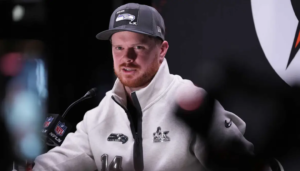
Of course, Darnold’s role on Super Bowl Sunday will keep him far from the television screen during halftime. As the leader of the Seahawks’ offense, his focus will be on preparation, adjustments, and getting ready for the second half. Still, even with his attention firmly locked on football, he recognizes the excitement surrounding Bad Bunny’s performance and appreciates what it represents.
“I wish I could actually watch it,” Darnold admitted. “But I’ll probably be getting ready for the second half at that point. Still, I know a lot of people are excited about him, and I think it’s great.”
That excitement has been fueled in large part by Bad Bunny’s historic night at the Grammy Awards, which served as a perfect lead in to his Super Bowl appearance. On Sunday, the global superstar walked away with some of the music industry’s most prestigious honors, cementing his place as one of the most influential artists of his generation.
His album DeBÍ TiRAR MáS FOToS captured Album of the Year, making history as the first Spanish language album ever to win the award. The achievement was widely celebrated as a landmark moment, not just for Bad Bunny, but for Latin music as a whole. For years, Spanish language artists have achieved enormous commercial success, yet major awards recognition at this level remained elusive. That barrier was finally broken, and Bad Bunny stood at the center of the moment.
In addition to Album of the Year, he also claimed Record of the Year for “DtMF,” further underlining the strength of his creative output. These wins were more than personal accolades; they symbolized a broader shift in the music industry toward embracing global voices and sounds that once existed on the margins of mainstream recognition.
The timing of these awards could not have been better. With millions of viewers already tuned in to see who would take home the Grammys’ top prizes, Bad Bunny’s success amplified anticipation for his upcoming Super Bowl halftime show. The NFL, always eager to capitalize on cultural momentum, now has a performer entering the event at the absolute peak of his popularity.
In recent years, the halftime show has increasingly become a cultural barometer rather than just a musical interlude. Last season’s Super Bowl LIX performance by Kendrick Lamar set a high bar, earning widespread praise from critics and fans alike. Lamar’s set was particularly memorable for his performance of “Not Like Us,” a high profile diss track aimed at Drake that had already dominated headlines long before the Super Bowl.
That performance underscored how the halftime show has evolved into a platform where artists can make bold statements, showcase their cultural relevance, and spark conversation well beyond the game itself. While Bad Bunny’s situation is different he isn’t embroiled in a public feud with another rapper he brings his own brand of intensity, authenticity, and social awareness to the stage.
Bad Bunny has never shied away from using his platform to speak on issues that matter to him. In recent months, he has drawn attention for his outspoken criticism of government immigration policies, particularly crackdowns that he believes unfairly target marginalized communities. His willingness to address political and social topics has endeared him to many fans while also making him a polarizing figure in certain circles.
That blend of artistry and activism adds another layer of intrigue to his Super Bowl appearance. While the NFL halftime show typically avoids overt political messaging, Bad Bunny’s mere presence carries symbolic weight. For many viewers, seeing a Spanish language artist headline the most watched television event in the United States represents progress and inclusion, regardless of what songs he performs.
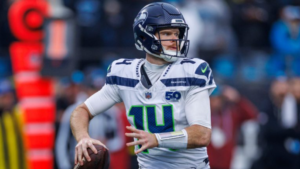
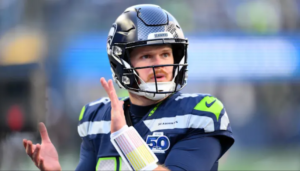
As for Darnold, however, the cultural significance of the halftime show remains secondary to the task at hand. Super Bowl LX presents a massive opportunity for both him and the Seahawks, who are looking to reestablish themselves at the top of the NFL hierarchy. After a season filled with challenges, adjustments, and moments of growth, Seattle enters the championship game with momentum and confidence.
One of the most compelling storylines of the matchup centers on the quarterback duel between Darnold and New England Patriots rookie Drake Maye. The contrast between the two signal callers has captured attention throughout the week. Darnold, a veteran who has experienced both highs and lows in his NFL journey, now finds himself leading a team on the sport’s biggest stage. Maye, on the other hand, represents the future a highly touted young quarterback making his first Super Bowl appearance early in his career.
The narrative practically writes itself: experience versus youth, redemption versus emergence. For Darnold, the game is an opportunity to redefine his legacy and silence critics who once doubted whether he could thrive as a franchise quarterback. For Maye, it’s a chance to announce his arrival as one of the league’s next great stars.
Seattle, meanwhile, has been playing with noticeable fire in recent weeks. The Seahawks’ offense has found its rhythm, the defense has stepped up in critical moments, and the team as a whole appears locked in. That sense of being “en fuego,” as Darnold described it earlier in the week, has fueled optimism among fans and analysts alike.
Returning to the top of the NFL would mark a significant milestone for the franchise and validate the work put in throughout the season. For Darnold, it would also serve as the ultimate payoff for years of perseverance and resilience in a league that rarely offers second chances.
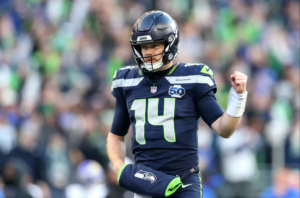
Still, even amid the pressure and intensity of Super Bowl preparation, it’s telling that Darnold took a moment to acknowledge the cultural moment unfolding around him. His comments about Bad Bunny reflect a growing intersection between sports and music, where athletes openly engage with artists who inspire them and shape the broader entertainment landscape.
In many ways, Bad Bunny’s Super Bowl appearance mirrors the evolving identity of the NFL itself. As the league continues to expand its global reach, embracing diverse voices and audiences becomes increasingly important. Featuring a Spanish language artist with worldwide appeal sends a clear message about where the league sees its future.
Whether viewers tune in primarily for the game, the commercials, or the halftime show, Super Bowl LX promises to deliver on all fronts. For some, the highlight will be watching Bad Bunny command the stage after a historic Grammy run. For others, it will be witnessing a quarterback showdown that could define careers.
For Sam Darnold, there’s no question which moment matters most. While he may miss Bad Bunny’s performance live, he’ll be focused on something just as monumental leading his team through the second half of the Super Bowl, chasing a championship, and carving out his place in NFL history.
And yet, when the confetti settles and the season comes to an end, there’s little doubt that both Bad Bunny’s halftime show and the game itself will be remembered as defining moments of Super Bowl LX each powerful in its own way, each reflecting the evolving face of American sports and entertainment.