Entering the offseason, it was evident both internally and externally that pitching stood at the top of the Arizona Diamondbacks’ list of priorities. After a year in which injuries and inconsistency stretched the staff’s depth, the organization made it clear that reinforcing the mound particularly the bullpen would be a central focus of its winter strategy.
The re-signing of veteran starter Merrill Kelly represented the most visible and stabilizing move, but Arizona’s broader approach has gone far beyond retaining a familiar arm. Instead, the front office has quietly but deliberately added layers of depth, especially around the margins of the roster, where opportunity and volatility often intersect.
The urgency behind this strategy is easy to understand. Early in the previous season, the Diamondbacks’ bullpen was hit hard by injuries. Key relief arms Justin Martinez and A.J. Puk both landed on the injured list before the year had fully settled into rhythm, forcing the team to scramble for replacements and stretch unproven options into meaningful roles.
While injuries are an unavoidable reality of the modern game, Arizona’s experience reinforced a lesson that has become increasingly clear across Major League Baseball, bullpens are fragile by nature, and depth is not a luxury but a necessity.
In today’s game, relief pitching is perhaps the most unpredictable area of roster construction. Performance can swing wildly from year to year, velocity ebbs and flows, and small mechanical or health issues can dramatically alter a pitcher’s effectiveness.
As a result, many teams have shifted away from relying on a small, rigid group of relievers and instead embraced a numbers based approach. By stockpiling arms particularly those with upside but limited guarantees organizations give themselves more chances to uncover contributors during spring training or early in the season.
Arizona has clearly adopted this philosophy. One of the most cost effective ways to build bullpen depth is through non roster invitations to spring training. These deals come with little risk, minimal financial commitment, and the potential for significant reward if a pitcher clicks at the right time. The Diamondbacks have leaned into this approach, inviting several experienced but unsettled arms to camp with the hope that competition and opportunity will yield at least one or two reliable options for the regular season.

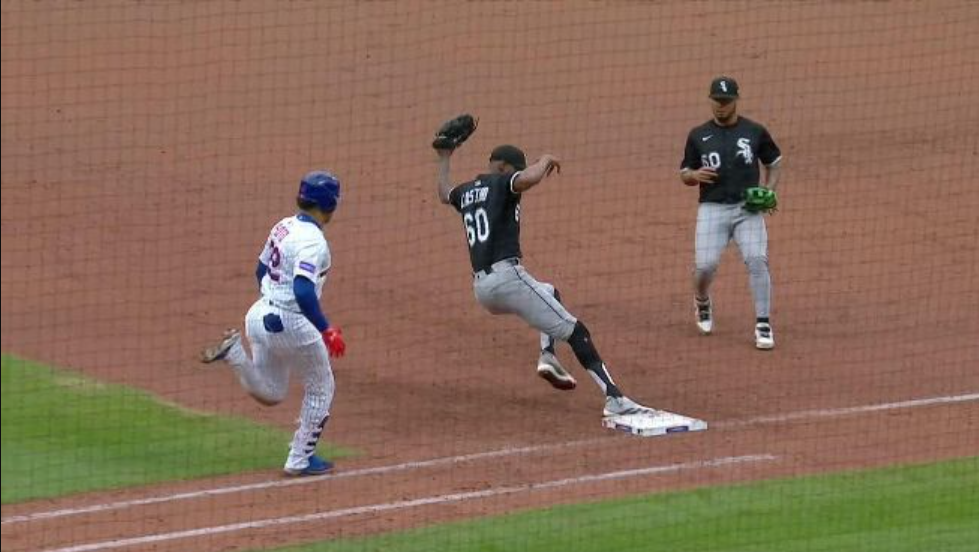
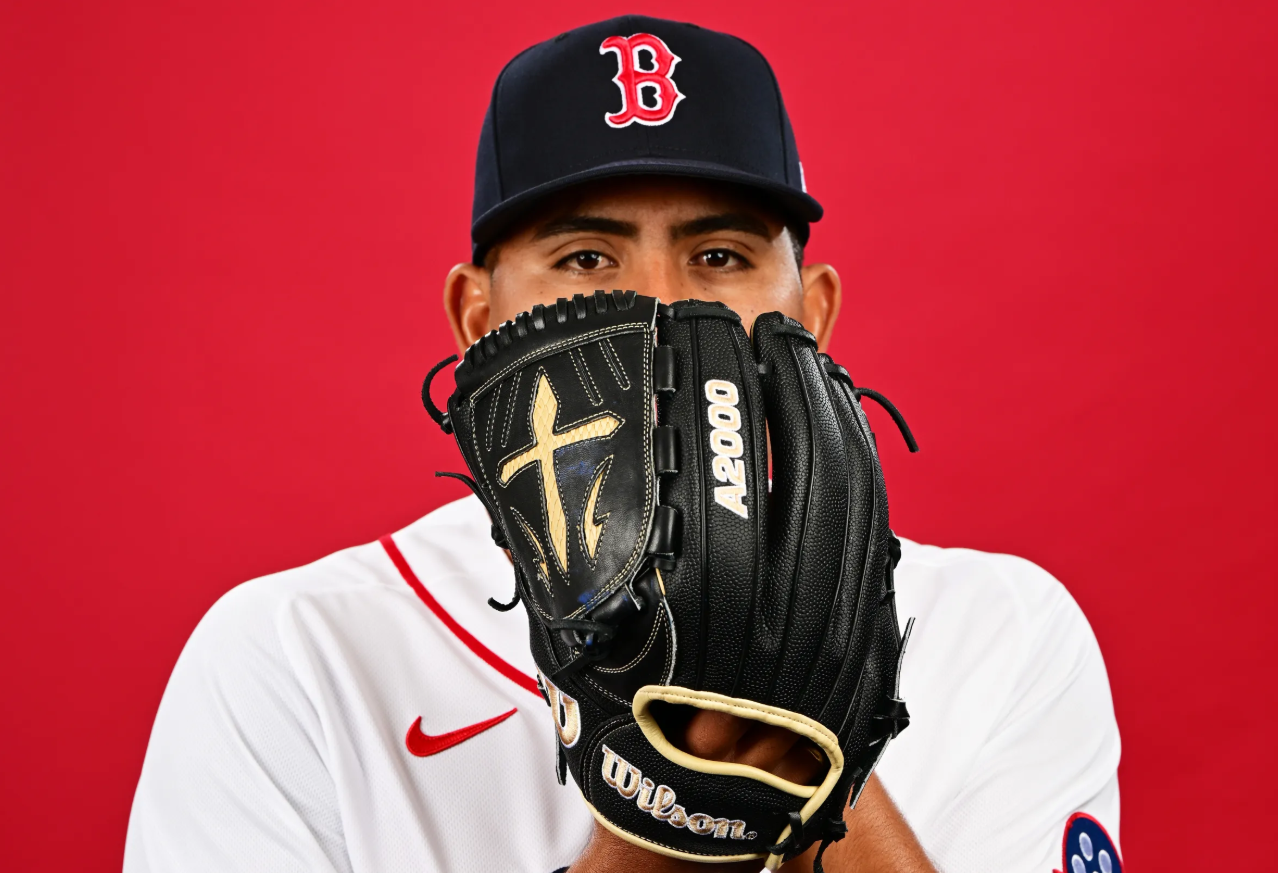
That strategy took another step forward on Friday, when the Diamondbacks added right handed pitcher Junior Fernández as a non roster invitee, according to the team’s official transactions log. Fernández is not an unknown quantity. He has appeared in parts of four major league seasons, though he has not logged time in the big leagues since the conclusion of the 2022 campaign. Still, his combination of experience, durability, and recent performance outside of MLB makes him an intriguing candidate to re-emerge.
Fernández will turn 29 in March, an age that typically represents a crossroads for pitchers who have tasted the majors but have yet to secure a lasting role. He originally broke into the league with the St. Louis Cardinals in 2019, debuting as a hard throwing reliever with raw but evident potential. Over the next few seasons, he remained within the Cardinals organization, bouncing between the majors and minors as the team attempted to harness his stuff and refine his command.
By September 2022, however, Fernández’s time with St. Louis came to an end when he was designated for assignment and subsequently claimed off waivers by the Pittsburgh Pirates. That move marked his most recent appearance at the major league level.
In total, Fernández has pitched in 50 big league games, compiling a 5.17 earned run average across 54 innings. His stat line includes 47 strikeouts and 35 walks numbers that reflect both the swing and miss ability that once made him intriguing and the control issues that have prevented him from sticking in a high leverage role.

On the surface, three full seasons away from the majors at this stage of a player’s career might suggest a significant injury or physical decline. In Fernández’s case, however, that assumption does not hold. Remarkably, he has not spent time on the injured list during this period. Instead, his absence from MLB has been the result of roster churn, performance fluctuations, and the constant search for the right organizational fit rather than a breakdown in health.
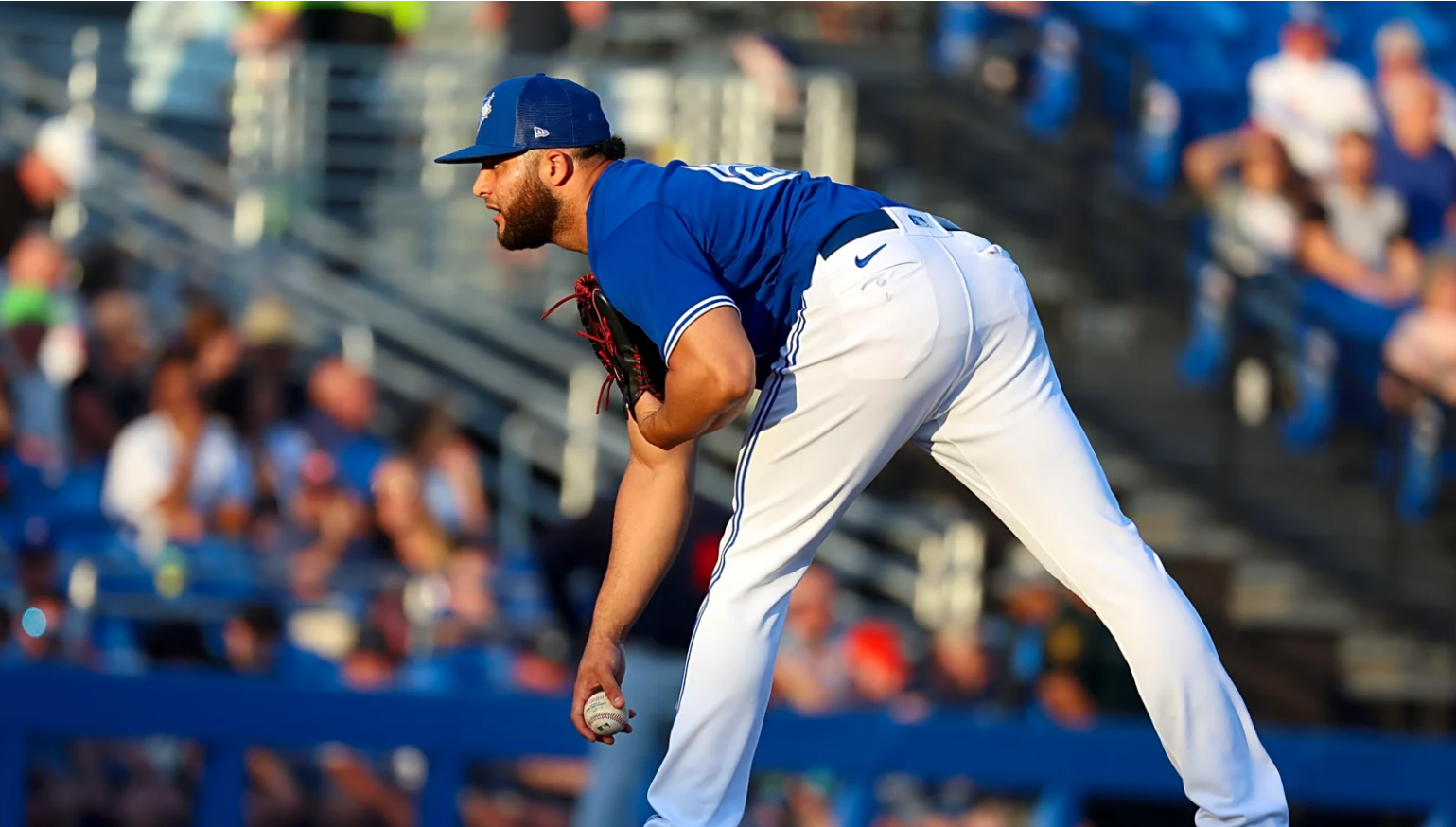
Since his last stint in the majors, Fernández has been part of several organizations, including the New York Yankees, Toronto Blue Jays, Washington Nationals, Kansas City Royals, and New York Mets. This nomadic stretch speaks to both the challenges and the persistence of pitchers on the fringe of big league rosters. Teams have continued to see enough in Fernández’s arm to take a chance, even if he has yet to translate that interest into a sustained return to the majors.
One factor working in Fernández’s favor is his commitment to staying active and visible. Over each of the past three offseasons, he has pitched in the Dominican Winter League, a proving ground that often serves as a bridge back to affiliated baseball for players seeking renewed momentum. Winter ball not only provides consistent game action but also allows pitchers to face high-level competition in pressure filled environments, sharpening both their physical and mental edges.
This past winter, Fernández delivered one of his strongest showings yet while pitching for Águilas Cibaeñas, one of the Dominican League’s most prominent clubs. His performance there helped reestablish his profile and likely played a role in drawing renewed interest from major league organizations. For pitchers like Fernández, success in winter ball can be a turning point a signal that adjustments have taken hold and that the door to the majors is not fully closed.
Arizona, in particular, represents a compelling opportunity. The Diamondbacks enter the season with postseason aspirations, but unlike some contenders, they do not have every bullpen role firmly locked down.

That uncertainty creates space for competition, especially during spring training, where strong performances can quickly reshape depth charts. For a non roster invitee, that environment is ideal, the bar to entry is demanding but attainable, and the path to a roster spot is clearer than it might be on a team with an entrenched relief corps.
Fernández will not be alone in that competition. The Diamondbacks have invited several other pitchers to camp on non roster deals, all vying for a chance to prove they belong. Among them are Isaiah Campbell, Shawn Dubin, Derek Law, Jonathan Loaisiga, and Gerardo Carrillo. Each brings a different background, skill set, and level of experience, further underscoring Arizona’s depth first approach.
Taken together, these moves illustrate a front office intent on minimizing risk while maximizing opportunity. Rather than placing all its bullpen hopes on a small number of high priced signings, Arizona has opted to create a broad competitive landscape. Some of these pitchers will inevitably fall short, but history suggests that at least one could emerge as a valuable contributor.
In the end, the Diamondbacks’ winter pitching plan reflects a pragmatic understanding of the modern game. Pitching depth, especially in the bullpen, is rarely about certainty; it is about preparation. By re-signing Merrill Kelly to anchor the rotation and surrounding the staff with a wide array of arms capable of stepping into relief roles, Arizona has positioned itself to better withstand the inevitable challenges of a long season. For Junior Fernández and his fellow non roster invitees, spring training will offer a critical audition not just for a roster spot, but for the chance to rewrite the trajectory of their careers.