Even after the New York Mets locked in their official Opening Day roster on Thursday, their work on shaping the team didn’t completely stop there. The following day, the front office continued making smaller adjustments, part of the constant roster fine tuning that typically occurs at the beginning of a Major League Baseball season.
One of those moves ultimately led to the organization parting ways at least temporarily with a pitcher who had been viewed as a possible depth option, as he ended up returning to the Chicago White Sox.
This kind of roster juggling is far from unusual. Every year, as teams finalize their 26 man squads for Opening Day, difficult choices must be made. Players who may have shown promise or provided organizational depth during the offseason and Spring Training can suddenly find themselves without a spot, simply because there isn’t enough room.
That reality played out for the Mets when they chose to designate reliever Bryan Hudson for assignment on Thursday, coinciding with the official start of the 2026 regular season.
Hudson had only recently joined the Mets organization. Back in February, New York acquired the left handed pitcher from the White Sox in exchange for cash considerations.
At the time, the move was seen as a low risk way to bolster pitching depth, giving the Mets another arm to evaluate during Spring Training. However, despite getting an opportunity to compete for a roster spot, Hudson ultimately fell short of securing a place on the team when final decisions were made.
The designation for assignment (often abbreviated as DFA) process is a procedural move that allows teams to remove a player from their 40 man roster while determining his next destination.
Once a player is DFA’d, he is exposed to waivers for a limited period, during which any other club in the league has the opportunity to claim him. If a team does make a claim, they assume the player’s contract and add him to their roster. If he goes unclaimed, other outcomes such as being outrighted to the minors or released can follow.
In Hudson’s case, his time in limbo didn’t last long. The White Sox, the very team that had traded him away just weeks earlier, decided to bring him back into their organization.

On Friday, during a scheduled off day for both clubs, Chicago placed a waiver claim on Hudson, effectively reclaiming the pitcher they had previously parted with. The move suggests that, despite his brief and underwhelming showing with New York, the White Sox still saw enough potential or familiarity to warrant another look.
At 28 years old, Hudson is still trying to establish himself as a consistent contributor at the major league level. During his short stint with the Mets in Spring Training, his performance left much to be desired.
He appeared in four exhibition games, logging a total of just 3.1 innings. In that limited sample, he struggled significantly, finishing with a 16.20 earned run average (ERA) and a 2.40 walks plus hits per inning pitched (WHIP). Those numbers reflect how challenging his outings were, as he allowed six earned runs and surrendered two home runs in his brief appearances.
While Spring Training statistics don’t always tell the full story given the small sample sizes and experimental nature of the games they can still influence roster decisions, especially for players competing on the fringes. For Hudson, the combination of limited opportunities and ineffective results likely contributed to the Mets’ decision to move on, at least for the time being.
Before his brief tenure in New York, Hudson had already experienced a somewhat nomadic professional journey. During the 2025 season, he spent time with the White Sox, but prior to that, he had stints in the National League with both the Los Angeles Dodgers and the Milwaukee Brewers. These stops reflect the reality for many pitchers who operate on the margins of major league rosters, frequently moving between organizations in search of a stable role.

Hudson’s professional career began when he was selected by the Chicago Cubs in the third round of the 2015 MLB Draft. As a relatively high draft pick, he entered professional baseball with a degree of expectation and potential.
He spent several seasons developing within the Cubs’ minor league system, working to refine his skills and progress toward the big leagues. However, like many prospects, his path didn’t follow a straight line to sustained success at the highest level.
After his time with the Cubs organization came to an end, Hudson opted to explore free agency. In 2022, he signed a minor league contract with the Dodgers, one of the league’s most successful and analytically driven franchises. That opportunity provided him with another chance to showcase his abilities and potentially carve out a role within a competitive organization.
Despite these opportunities across multiple teams, Hudson has yet to fully establish himself as a reliable bullpen option in the majors. Still, his left handed pitching profile and prior experience continue to make him an intriguing depth piece for teams looking to bolster their bullpen options throughout the long MLB season.
The Mets’ decision to part ways with Hudson so soon after acquiring him highlights the constant evaluation process that teams undergo, particularly during Spring Training and at the start of the regular season. Front offices must weigh performance, potential, roster flexibility, and immediate needs, often leading to quick turnarounds in personnel decisions.
For the White Sox, reclaiming Hudson could be seen as a low cost move with minimal risk. Given their prior familiarity with him, they may believe they can help him rediscover form or provide organizational depth as the season unfolds. Pitching depth is critical over the course of a 162-game season, and having options especially left handed relievers can prove valuable when injuries or performance issues arise.

Meanwhile, the Mets will continue moving forward with the bullpen arms they ultimately selected for their Opening Day roster. While Hudson didn’t fit into their plans at this time, his departure is just one of many small but meaningful transactions that shape rosters in the early days of a new season.
In the broader context of Major League Baseball, stories like Hudson’s are incredibly common. The transition from Spring Training to the regular season often brings a wave of roster decisions that can alter the trajectories of players’ careers, even if only temporarily. For some, a DFA can be a setback; for others, it can quickly turn into a new opportunity elsewhere.
For Hudson, that opportunity has come in the form of a return to familiar territory with the White Sox. Whether he can capitalize on this second chance remains to be seen, but his journey underscores the unpredictable and often fluid nature of life as a professional baseball player navigating the edges of a major league roster.
Mets Outright Rortvedt and Brujan to Triple-A Syracuse
On Friday, the Mets continued to reshape their roster with another set of transactions, this time involving Ben Rortvedt and Vidal Brujan. Both players successfully passed through waivers without being claimed by another team, allowing the organization to outright them to Triple A Syracuse.

While such moves often fly under the radar compared to headline grabbing trades or signings, they reflect the constant adjustments teams make to maintain depth and flexibility over the course of a long season.
Rortvedt’s journey to this point has been eventful over the past few months. The Mets initially brought him into the organization in February after claiming him off waivers from the Los Angeles Dodgers.
At the time, the move appeared to be a low risk addition aimed at bolstering catching depth, especially given the physical demands of the position and the inevitability of injuries over a 162 game schedule. However, despite that potential value, the Mets ultimately designated him for assignment on March 25 as they finalized their roster decisions leading into Opening Day.
Although his stint with the Mets was brief, Rortvedt’s recent track record suggests he could still play a meaningful role at the major league level if called upon. During the previous season with the Dodgers, he proved to be more than just a depth piece. When starting catcher Will Smith went down with an injury late in the year, Rortvedt stepped into a much larger role than originally anticipated.
He was entrusted with starting duties during both the National League Wild Card Series and the National League Division Series, handling a pitching staff under high pressure postseason conditions. That experience, while limited in duration, demonstrated his ability to adapt quickly and contribute in critical moments.
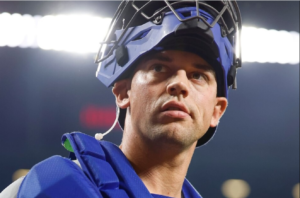
Despite those contributions, roster crunches are a reality for contending teams, and Rortvedt found himself on the outside looking in. Now assigned to Triple A Syracuse, he will have the opportunity to stay ready while providing the Mets with experienced catching depth.
Players in this situation often serve as insurance policies, waiting for an opportunity that could arise due to injury, performance struggles, or other unforeseen circumstances at the major league level.
Brujan’s path to Syracuse has been even more winding, reflecting the unpredictable nature of a utility player’s career. Over the course of last season, he suited up for three different organizations the Chicago Cubs, Baltimore Orioles, and Atlanta Braves demonstrating both his versatility and the demand for players who can fill multiple roles across the diamond. His ability to move around defensively and contribute in various ways has made him an appealing option for teams looking to add flexibility to their roster.
Earlier this year, Brujan’s journey took another turn when he was claimed off waivers by the Minnesota Twins in January. However, his time with the Twins was short lived, as he was traded to the Mets just one day later in exchange for cash considerations. That quick turnaround highlighted how teams often view players like Brujan as movable assets who can address immediate organizational needs, even if only temporarily.
Despite being added to the Mets’ system, Brujan did not secure a spot on the Opening Day roster. Like Rortvedt, he was designated for assignment as the team worked through its final roster decisions.
After clearing waivers, he now finds himself headed to Triple A Syracuse to begin the season. While that outcome may seem like a setback, it also provides him with an opportunity to regroup, refine his game, and position himself for a potential call up later in the year.
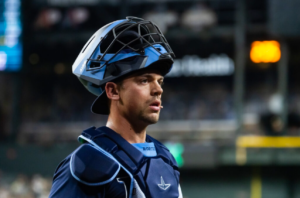
For both players, clearing waivers is a significant development. It means that all other teams in the league had the opportunity to claim them but ultimately chose not to, allowing the Mets to retain them within the organization. This can be both a blessing and a challenge.
On one hand, it provides stability and a clear path forward within a familiar system. On the other hand, it serves as a reminder of the competitive nature of roster construction and the fine margins that often separate major league players from those in Triple A.
From the Mets’ perspective, these moves are part of a broader strategy to maintain organizational depth while optimizing the major league roster. Having experienced players like Rortvedt and Brujan in Triple A ensures that the team has reliable options available if the need arises. Over the course of a season, it is rare for a team to rely solely on its initial roster, and contributions from players at the Triple A level often prove to be crucial.
Additionally, both Rortvedt and Brujan bring specific skill sets that could become valuable under the right circumstances. Rortvedt’s experience handling pitchers and stepping into high pressure situations could make him an attractive option if the Mets require catching reinforcements.
Meanwhile, Brujan’s versatility and ability to play multiple positions provide a level of roster flexibility that teams frequently seek, particularly during stretches of heavy scheduling or when injuries create gaps in the lineup.

Ultimately, while these transactions may not generate significant headlines, they underscore the ongoing balancing act that teams face as they navigate roster decisions. For Rortvedt and Brujan, the focus now shifts to performing at Triple A Syracuse and staying prepared for whatever opportunities may come their way.
In baseball, circumstances can change quickly, and players who remain ready often find themselves back in the major leagues sooner than expected.
As the season unfolds, both players will aim to make the most of their assignments, using this time to showcase their abilities and remind the organization of their value. Whether through consistent performance, improved skills, or simply being in the right place at the right time, they will be working toward another chance to contribute at the highest level.