Boston Red Sox. With the arrival of March, the long awaited return of regular season baseball is finally within reach. In less than a month, meaningful games will once again be played, and for fans of the Boston Red Sox, that anticipation carries a renewed sense of optimism.
The offseason felt especially drawn out in Boston, and it wasn’t just because of the cold New England winter. There was a significant amount of roster turnover, which always makes the months between seasons feel longer.
Change often brings uncertainty, and the Red Sox experienced plenty of it. From player movement to reshaping certain areas of the roster, the organization used the winter as a time of recalibration. When Spring Training finally opened, it felt less like a routine checkpoint and more like the true beginning of a new chapter.
Despite the departure of star third baseman Alex Bregman, there is still plenty of reason for optimism heading into the 2026 campaign. In fact, one could argue that Boston is in a stronger overall position now than it was at the outset of the 2025 season. That may sound bold considering the talent that has come and gone, but the structure of the roster appears more balanced and deeper across multiple areas.
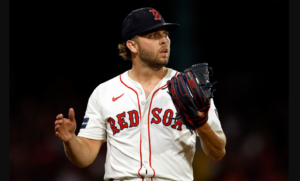
Injuries, of course, will inevitably factor into how the season unfolds. They always do. No team navigates a 162 game schedule without dealing with setbacks, and the Red Sox will be no exception. However, even accounting for potential health concerns, the organization has built impressive depth particularly on the pitching side. That depth could prove invaluable over the long haul, especially in a division that demands resilience and consistency.
The pitching staff, in particular, stands out as a strength. Boston has assembled a collection of arms capable of contributing at both the major league and depth levels. This surplus provides flexibility, whether it’s filling in for injuries, adjusting roles, or managing workloads. Over the course of a grueling season, that kind of depth can be the difference between staying in contention and falling behind.
Offensively, the Red Sox made meaningful additions as well. The arrival of catcher Willson Contreras adds both power and experience to the lineup. Contreras brings a veteran presence behind the plate and a proven bat that can lengthen the order. His ability to handle a pitching staff while contributing offensively gives Boston a steady anchor at a key defensive position.
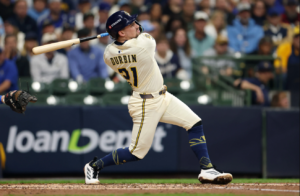
Meanwhile, infielder Caleb Durbin provides versatility and athleticism. Durbin’s skill set allows him to move around the infield, giving the Red Sox flexibility in how they structure their lineup on a daily basis. Players like him may not always generate headlines, but they often become essential over a full season.
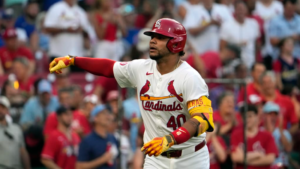
Perhaps even more exciting is the presence of top prospect Roman Anthony, who is expected to spend the entire year with the big league club. Anthony’s development has been closely watched, and the organization clearly believes he is ready for an extended opportunity. His blend of power, patience, and defensive ability has the potential to elevate an already impressive outfield unit.
Speaking of the outfield, it may very well be the strongest in Major League Baseball. From top to bottom, the group combines offensive production, defensive range, and depth. Few teams can match Boston’s blend of youth and established talent on the grass. If the outfield performs as projected, it could serve as the foundation for much of the club’s success in 2026.
On the infield, another highly regarded young talent is poised to step into a meaningful role. Marcelo Mayer has long been considered one of the franchise’s cornerstone prospects, and this season could mark his true arrival. Mayer’s smooth defensive skills and mature approach at the plate make him a player to watch. If he settles in quickly, he could provide a significant boost both offensively and defensively.
Overall, the trajectory of the organization appears to be trending upward. Even if the Red Sox are not fully healthy when Opening Day arrives, there is a sense that the foundation is stronger and more cohesive than it was a year ago. The blend of established veterans, ascending young players, and improved depth gives Boston multiple pathways to compete.
That said, the team may begin the season shorthanded in the rotation. According to Jen McCaffrey of The Athletic, right hander Kutter Crawford is expected to open the year on the Injured List. Crawford is currently working his way back from wrist and knee surgeries and has only recently begun facing hitters in live batting practice sessions. While his progress is encouraging, the timeline suggests he will need additional time before being fully game ready.
In addition, left hander Patrick Sandoval is also in recovery mode. Sandoval is returning from Tommy John surgery and has started throwing live batting practice, but he has yet to appear in a game setting. Given the typical recovery arc for pitchers coming off that procedure, it is unlikely he will be stretched out for a complete starter’s workload by the conclusion of Spring Training.
These early season absences could test the team’s pitching depth right away. However, if there is one area where Boston seems equipped to absorb such setbacks, it is on the mound. The organization has prepared for contingencies, and that preparation may pay dividends in April.
As Opening Day draws closer, the overall outlook remains positive. The roster is deeper, the farm system is producing impact talent, and key veterans have been added to stabilize important positions.
While health will play a decisive role as it always does the Red Sox appear to be entering 2026 with more momentum and structural stability than they had a year ago. For a fan base eager to see meaningful October baseball return, that alone is reason for excitement.
The Red Sox have roster decisions to make
The makeup of the Boston Red Sox bench is expected to undergo some noticeable changes heading into the new season. One player who made a strong impression on fans a year ago was Nate Eaton.
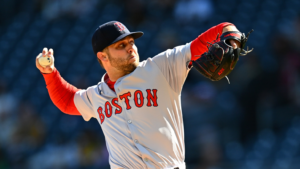
In 41 appearances, Eaton posted an impressive .296 batting average and consistently brought energy and versatility whenever his number was called. His ability to step into different roles and produce offensively helped him carve out a niche on the roster and win over the Fenway faithful.
Despite that solid showing, however, it does not appear that Eaton’s performance alone will be enough to guarantee him a place on the Opening Day roster. According to reporting from Chris McCaffrey, there may simply not be enough space available. McCaffrey noted that there is “little room” for either Eaton or Kristian Campbell to break camp with the major league club, given how the roster is currently constructed.
Typically, the final bench position would be reserved for an additional outfielder to provide depth and flexibility. But the Red Sox already find themselves with four outfielders firmly in the mix, creating a logjam that limits opportunities for others. With that in mind, the competition for the remaining spots has become even tighter, and certain players appear to have an early advantage.
One name generating buzz early in camp is Andruw Monasterio. The newcomer, who was brought in as part of the Durbin trade, has quickly positioned himself as a strong candidate for a bench role. Monasterio has drawn praise from manager Alex Cora for his work so far, and his offensive splits from last season offer further encouragement.
Although the sample size was limited, Monasterio handled left handed pitching effectively, posting an .837 OPS across 50 plate appearances against southpaws. That kind of specialized production can be especially valuable on a bench, where situational matchups often dictate playing time.
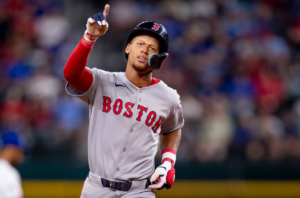
If Monasterio continues to build momentum during camp, he could secure one of the final roster spots. His presence complicates matters for Eaton and Campbell, both of whom now appear to be on the outside looking in. Eaton, despite being a reliable and productive reserve last year, may find himself squeezed out simply because of roster math. Campbell, meanwhile, has been diligently refining his swing mechanics in hopes of earning another opportunity in Boston, but he too faces an uphill climb.
None of this necessarily signals the end of the road for either player. Over the course of a 162-game season, roster turnover is inevitable. Injuries, slumps, and strategic adjustments often open doors for those waiting in the wings. In fact, Eaton and Campbell would likely be among the first names considered should the Red Sox need reinforcements. Their familiarity with the organization and recent track records could make them natural call up options.
Looking ahead to 2026, it seems more a question of when not if both players will make appearances at the major league level. Even if they do not break camp with the big club, their chances of contributing later in the year remain strong. Depth pieces frequently play pivotal roles over the long grind of a season, and the Red Sox understand the value of having capable replacements ready in Triple-A.
Time is quickly ticking down before final decisions must be made. With less than a month remaining until Opening Day, the pressure to solidify the roster is intensifying. As of this writing, just 23 days remain before Boston opens its season on March 26 with a matchup against the Cincinnati Reds. That looming date adds urgency to every spring training at-bat and inning played.
Over the coming weeks, the Red Sox coaching staff and front office will continue evaluating performances, weighing roster flexibility, and considering how each piece fits into the broader puzzle. While spring training statistics do not always tell the full story, strong showings can sway close competitions. For players like Eaton and Campbell, every opportunity to make an impression carries extra importance.
At this point, though, the outlook appears challenging. The current roster composition and early camp developments suggest that neither Eaton nor Campbell has a clear path to securing one of the limited bench spots. Additionally, others fighting for roles including pitchers like Kutter Crawford may also find themselves battling long odds depending on how the final roster shakes out.
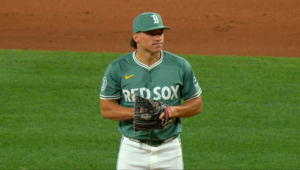
Ultimately, these decisions often come down to a combination of performance, positional need, and long term planning. The Red Sox must balance immediate competitiveness with maintaining depth throughout the organization. While fans may be disappointed if familiar faces are left off the Opening Day roster, the reality of roster construction often requires difficult choices.
Still, with nearly three weeks left before the season officially begins, there is room for the narrative to change. A hot stretch at the plate or a strong defensive showing could force the team’s hand. Until the final roster is announced, nothing is set in stone.
For now, though, the competition remains fierce, and the margin for error is slim. Eaton and Campbell may need to be patient as they wait for their next opportunity. If history is any indication, chances will arise. Whether it’s early in the season or later during the summer months, both players seem poised to contribute at some point in 2026 even if they are not part of the initial group that takes the field on Opening Day.