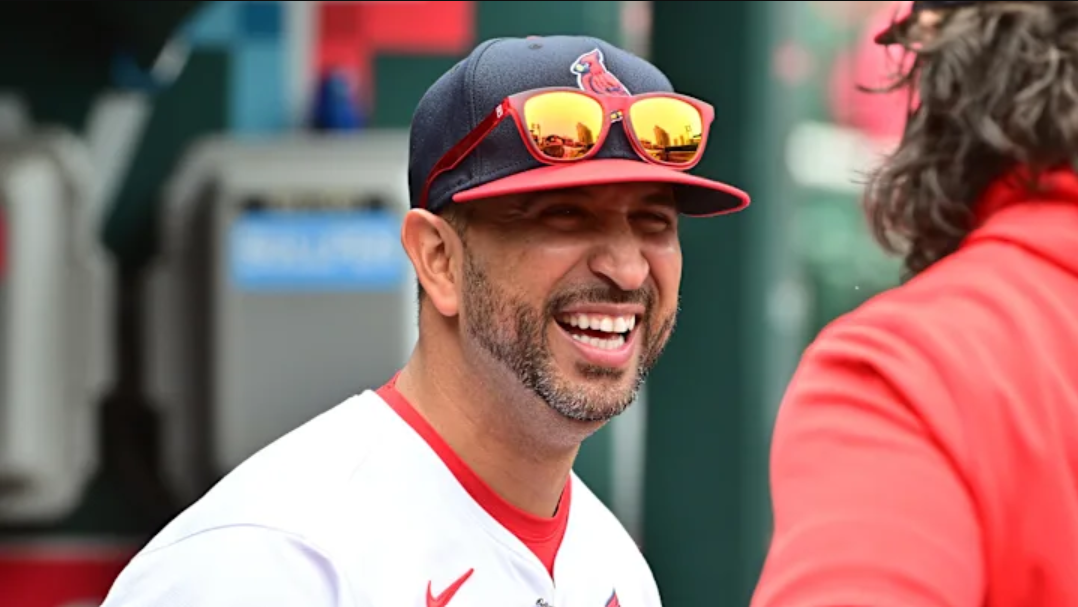
Sunday’s decision to extend the contract of Oli Marmol as manager of the St. Louis Cardinals should represent more than just a routine front office announcement. It has the potential to serve as a meaningful turning point for the franchise a moment to generate optimism and establish a clearer direction as the club navigates a transitional phase.
Marmol’s new agreement, which keeps him in the dugout through the conclusion of the 2028 season, provides something the Cardinals have lacked at times in recent years; stability. In an era when managerial turnover across Major League Baseball can be swift and unforgiving, committing to Marmol signals that ownership and the front office believe he is the right leader to shepherd the team through its next chapter.
Continuity at the manager position is often undervalued, but it plays a critical role during a retooling or rebuilding effort. Players benefit from consistent messaging, a unified clubhouse culture, and a long term vision that doesn’t shift from year to year.
For a club that is attempting to fast track its return to contention, this move feels particularly significant. The Cardinals are not embarking on a traditional, drawn out rebuild designed to bottom out for multiple seasons. Instead, they appear focused on what could be described as an accelerated reset trimming payroll commitments, parting ways with veteran stars, and creating room for a younger, more controllable core to emerge.
In that context, locking in Marmol now eliminates one major variable. There will be no speculation about his job security hanging over the clubhouse as prospects arrive and roles evolve. Everyone knows who will be leading the charge.
The timing also makes strategic sense. This past offseason saw the organization move on from several established All-Stars, a clear signal that the previous roster construction had run its course. Those trades created opportunities not just financially, but in terms of playing time and long term planning. With many familiar faces gone, the Cardinals have a clean slate to evaluate which young players are ready to step forward and claim cornerstone status.
That evaluation process is critical. When a franchise pivots toward youth, it must do more than simply give prospects at bats or innings. It must decide, with conviction, who represents the foundation of the next competitive window.
Which hitters project as middle of the order anchors? Which pitchers can lead a rotation or lock down the late innings? Which defenders bring the kind of versatility and athleticism that modern roster construction demands? These are not short term questions; they shape payroll strategy, player development priorities, and trade negotiations for years to come.
With Marmol’s extension secured, the focus can shift squarely onto those decisions. The manager now has the runway to grow alongside his young roster. He can weather the inevitable ups and downs of a youth movement without fear that a temporary slump will cost him his position. That kind of security can foster patience and patience is often essential when nurturing talent.
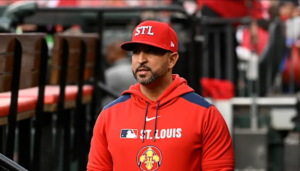
This is where the front office, led by president of baseball operations Chaim Bloom, must act decisively. Bloom was brought in with a reputation for building sustainable winners through player development and smart contract management. The blueprint he helped craft in previous stops emphasized locking up core players early, before they reached free agency and commanded premium prices. If the Cardinals are serious about accelerating their climb back to contention, this is the moment to apply that philosophy in St. Louis.
Rather than waiting for young standouts to accumulate years of service time and bargaining power, the organization should consider proactive contract extensions. Such deals can offer cost certainty for the team while providing financial security for the players. When executed properly, they become win, win arrangements that anchor a roster for the long haul. They also send a message to the clubhouse and fan base alike: these are our guys, and we believe in them.
Of course, negotiating extensions is rarely simple. Player agents must weigh the risk of injury or regression against the upside of hitting the open market. The club must project performance curves and guard against overcommitting to talent that has yet to fully prove itself. But those are calculated risks every successful franchise must take at some point. Standing still carries its own dangers namely, watching homegrown stars price themselves out of town.
In light of that, there are at least three young Cardinals who stand out as prime candidates for early extensions. While the organization has almost certainly evaluated numerous possibilities internally, prioritizing these specific players could provide clarity and direction. Securing them would not only stabilize the roster but also establish a recognizable core around which to build.
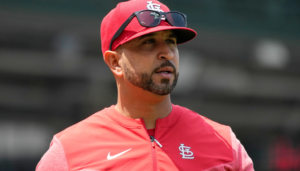
The broader point is this; Marmol’s extension should not exist in a vacuum. It should be the first domino in a larger plan. Continuity in the manager’s office is valuable, but continuity on the field matters just as much. As prospects transition into everyday roles, the Cardinals have an opportunity to define their identity for the remainder of the decade.
For a proud franchise with a history of sustained success, moments like this carry extra weight. Fans in St. Louis are accustomed to competitive baseball deep into October. They understand that cycles ebb and flow, but they also expect a coherent vision. Extending Marmol provides a piece of that vision. The next step is solidifying the players who will carry it out.
If Bloom and the front office can capitalize on this window pairing managerial stability with smart, forward thinking contract decisions the Cardinals may indeed generate the momentum they seek. The groundwork has been laid. Now it’s time to commit to the young talent that will define the next era in St. Louis.
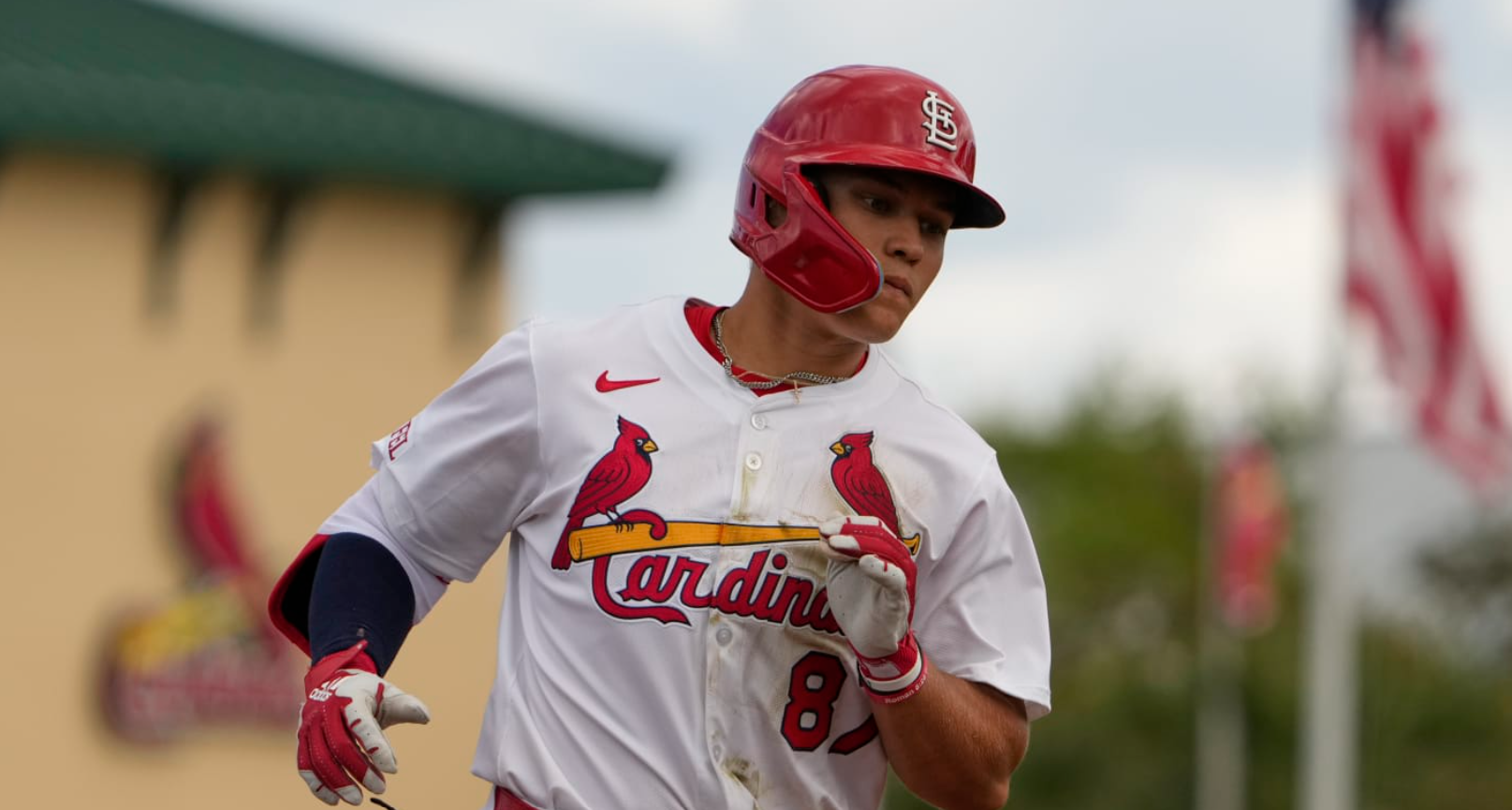
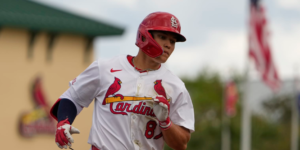
Shortstop Masyn Winn

At just 23 years old, Winn has already built a reputation as one of the premier defensive shortstops in the game. His glove work alone has set him apart, but what makes his accomplishments even more remarkable is the adversity he overcame to achieve them. Despite playing through a torn meniscus last season, Winn not only stayed on the field but thrived, earning the first Gold Glove Award of his career.
That honor solidified his standing as an elite defender and underscored both his toughness and commitment to the team. Winning such a prestigious award at a young age and under physically taxing circumstances speaks volumes about his talent, resilience, and long term potential.
Winn’s age is a significant factor in evaluating his future. At 23, he is still in the early stages of his professional career, yet he already possesses a level of poise and experience that many players don’t acquire until much later. He has been tested at the highest level and has responded with maturity beyond his years.
This combination of youth and foundational big league experience gives him a unique profile within the organization. He is young enough to continue developing and refining his game, but seasoned enough to serve as a stabilizing presence in the clubhouse.
For the St. Louis Cardinals, that blend of upside and proven performance is invaluable. Organizations spend years searching for cornerstone players who can anchor both the lineup and the culture of the team. Winn appears to fit that mold perfectly.
His defensive brilliance provides immediate value on the field, while his work ethic and perseverance offer an example for teammates to follow. As the Cardinals continue shaping their roster for the future, having a player like Winn in the middle of the diamond gives them a reliable foundation to build around.
Looking ahead, Winn is currently on track to reach free agency entering his age 28 season. From a contractual standpoint, that timeline presents both opportunity and risk. Players who hit the open market in their late 20s especially those with Gold Glove credentials and room for further growth often command substantial contracts.
If Winn continues progressing offensively while maintaining his defensive excellence, his market value could skyrocket. By the time he approaches free agency, he could be positioned to secure a deal that would be financially challenging for the Cardinals to match.
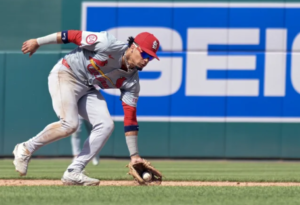
That reality makes the present moment particularly important. If there is an opportunity to negotiate an extension now while Winn is still years away from the open market it could prove beneficial for both sides. For the Cardinals, locking him up early might allow them to secure his prime seasons at a more manageable cost compared to what he would likely demand as a free agent. It would also send a message to fans and the clubhouse that the organization is committed to building around its young core.
From Winn’s perspective, an early extension could provide long-term financial security and stability, allowing him to focus entirely on his performance without the distraction of looming contract talks. Striking a deal now could represent a mutually advantageous arrangement, preserving flexibility for the team while rewarding a player who has already demonstrated exceptional value and promise.
In short, Winn’s combination of youth, elite defensive ability, mental toughness, and growing experience positions him as a potential leader for years to come. With free agency still several seasons away but drawing closer each year, the window to secure his services beyond that point may not remain open forever. If the Cardinals see him as a cornerstone piece and all signs suggest they should then taking proactive steps to extend him now could be one of the smartest moves they make for their future.
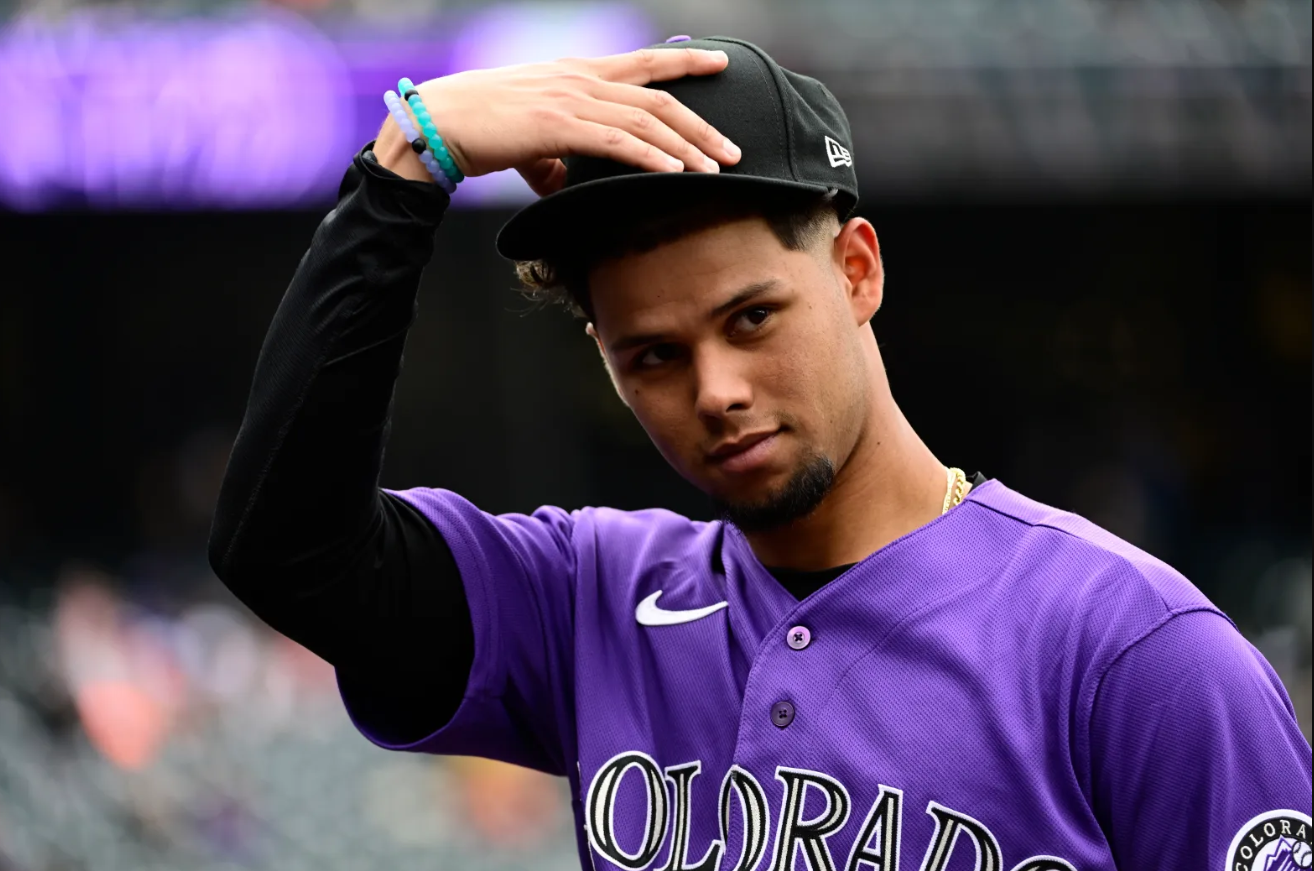
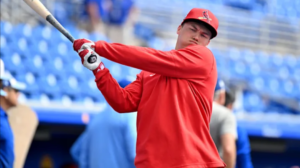
Second baseman JJ Wetherholt
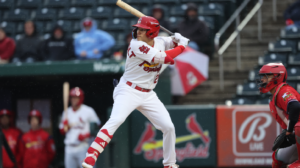
The fact that conversations about a potential long term commitment are already surfacing despite Wetherholt not yet appearing in a single regular season Major League game speaks volumes about how dramatically expectations have risen around him. In past years, it might have seemed premature, even reckless, for a team to consider locking up a player before he had logged any meaningful time at the sport’s highest level.
Yet in this case, many Cardinals supporters would hardly react with surprise if the organization chose to move swiftly and secure his services for the foreseeable future. That level of comfort reflects not only the franchise’s confidence in his talent, but also the fan base’s belief that he represents a cornerstone piece for the club’s future.
For the Cardinals, this kind of proactive thinking would align with a broader trend across Major League Baseball. Teams increasingly try to identify foundational players early and negotiate extensions before those players establish themselves as stars. By acting before a breakout campaign, organizations can often secure cost certainty and long term stability while avoiding the financial escalation that typically accompanies All-Star appearances and award recognition.
With Wetherholt, the calculus feels similar. Even though he has yet to experience the daily grind of a 162 game season, his pedigree and performance track record have already positioned him as someone worth betting on.
Still, there remains a degree of uncertainty. Projecting young talent is never an exact science. While evaluators may rave about his tools, approach, and maturity, translating minor league success or amateur dominance into sustained major league production can be unpredictable.
The jump in competition, the pressure of the spotlight, and the adjustments required at the highest level can expose weaknesses that were previously hidden. That lingering question about just how high Wetherholt’s ultimate ceiling might be is precisely what makes this moment intriguing.
From the team’s perspective, acting now could represent a strategic window of opportunity. If they wait until he proves himself against big league pitching and demonstrates he can thrive over a full season, his price tag could rise dramatically.
A breakout rookie year or an early career surge would only strengthen his negotiating position. On the other hand, if there are initial struggles as is common for many young players the club could face a more complicated decision about long term value. Timing, therefore, becomes everything.
For Wetherholt himself, the appeal of an early extension could be just as compelling. At 23 years old, he stands on the brink of realizing a lifelong dream, but professional sports careers can be fragile.
Injuries, slumps, and unforeseen setbacks are part of the landscape. Securing financial security before fully navigating those challenges would offer peace of mind and long term stability. A guaranteed payday could allow him to focus entirely on refining his game and adjusting to the majors without the added pressure of proving his worth for future negotiations.
In that sense, both sides might find common ground. The Cardinals could gain cost control and solidify a player they view as integral to their next competitive window.
Wetherholt, meanwhile, could lock in generational wealth before experiencing the inevitable growing pains that often accompany a player’s introduction to Major League Baseball. The combination of sky high expectations, calculated risk, and mutual incentive makes this an especially fascinating moment in his young career.
Pitching prospect Liam Doyle

Pulling the trigger on a deal like this would represent a bold and proactive decision from Bloom. When it comes to pitchers especially young ones front offices often prefer to exercise patience. There’s a natural tendency to wait until a player proves himself against major league competition before committing significant long term resources.
Arms can be volatile, development paths are rarely linear, and the jump to the big leagues can expose weaknesses that weren’t apparent in the minors. Because of that uncertainty, many organizations choose to let a pitcher log meaningful MLB innings and demonstrate consistency before discussing an extension.
Still, even with those reservations in mind, there’s a compelling argument to be made for acting sooner rather than later. While it may be a less likely scenario compared to other potential moves, the logic behind it is far from reckless. In fact, there are situations where betting early on elite talent can pay enormous dividends, both financially and competitively. This might be one of those cases.
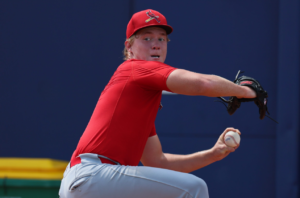
It was something close to a stroke of fortune that Doyle was still available when the Cardinals stepped to the podium with the fifth overall pick. Many evaluators believed his electric arm and advanced pitch mix could have warranted an even earlier selection. Yet, for a variety of draft day reasons, he slid just enough for St. Louis to capitalize. Landing a hard-throwing, high upside 21 years old at that spot felt like a gift one that could shape the organization’s pitching pipeline for years to come.
Doyle’s fastball already flashes premium velocity, and his overall arsenal suggests a ceiling that’s difficult to ignore. Scouts have raved about the life on his pitches and the competitive edge he brings to the mound. While he’s still polishing certain aspects of his command and sequencing, the raw ingredients are there for him to develop into a frontline presence. That combination of stuff and projection is exactly why some in the organization might consider getting ahead of the curve with an extension discussion.

The expectation is that Doyle will open the season at Double-A, a challenging but appropriate test for a pitcher of his caliber. Double-A has long been regarded as a proving ground for top prospects; it’s often the level where hitters are disciplined enough to punish mistakes and where pitchers must demonstrate not just overpowering stuff, but strategic maturity.
If Doyle handles that assignment well, it wouldn’t be surprising to see him move quickly. There’s even a realistic path in which he could make his major league debut before the season concludes, provided he checks the right developmental boxes along the way.
And that timeline is precisely why acting early could make sense. If Doyle bursts out of the gate and dominates from his first start similar to what promising young arms like Nolan McLean and Trey Yesavage managed last season his perceived value will skyrocket. Once a pitcher proves he can overpower upper level hitters, the conversation around him shifts dramatically. He goes from “intriguing prospect” to “future cornerstone,” and that shift is often reflected in contract negotiations.
History has shown that the cost of buying out arbitration years and securing club control beyond them increases sharply once a player establishes himself in the majors. Teams that extend players before their debut, or very early in their service time, sometimes secure team friendly deals because they are assuming more of the developmental risk. The player gains financial security; the team gains cost certainty and potentially below market value in later years. It’s a calculated gamble on both sides.
If Doyle steps onto the mound next spring and immediately looks like he belongs attacking hitters with confidence and piling up strikeouts any hypothetical extension number discussed now could look like a bargain. On the flip side, waiting could mean paying a premium once his talent is undeniable on the biggest stage. That’s the delicate balance Bloom and the Cardinals’ decision makers would need to weigh.
Of course, none of this suggests the move is without risk. Pitchers, more than position players, carry inherent injury concerns. Developmental hiccups are common, and even the most highly regarded prospects can struggle with adjustments. Committing long term money before those uncertainties are resolved requires a strong internal belief in the player’s makeup, durability, and trajectory.
But if there is even modest interest from the Cardinals’ side in exploring an extension, the present moment might represent the optimal window. Doyle’s value is currently rooted in projection rather than proven MLB production. Once the latter enters the equation especially if it’s accompanied by early success the leverage shifts.
In short, while an aggressive extension for Doyle might not be the most probable course of action, it’s far from irrational. The Cardinals were fortunate to land him in the first place. If they truly believe he can anchor their rotation in the years ahead, moving decisively now could prevent a far more expensive negotiation down the road. Sometimes, the boldest plays are the ones that look risky at first but make the most sense in hindsight.