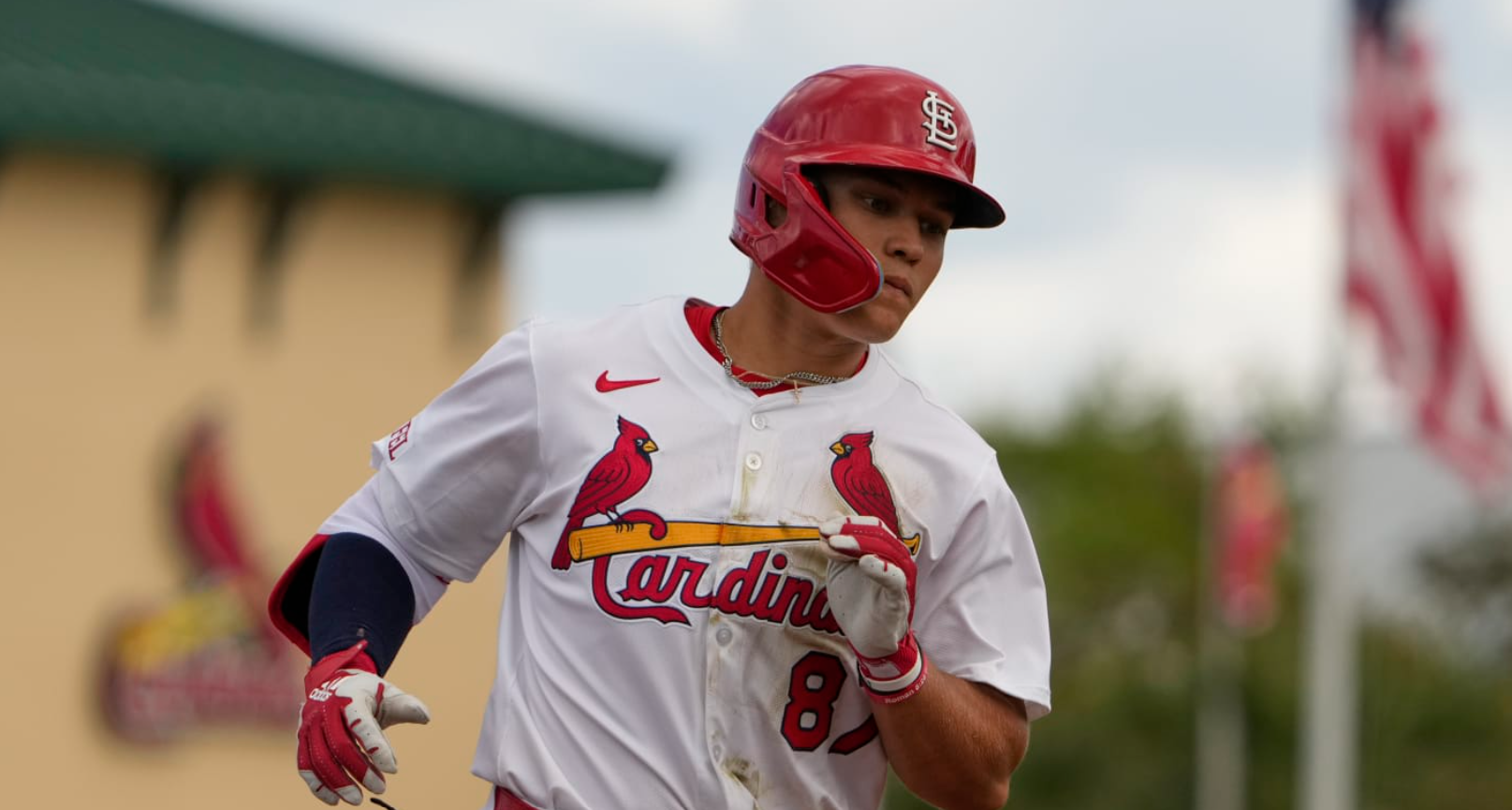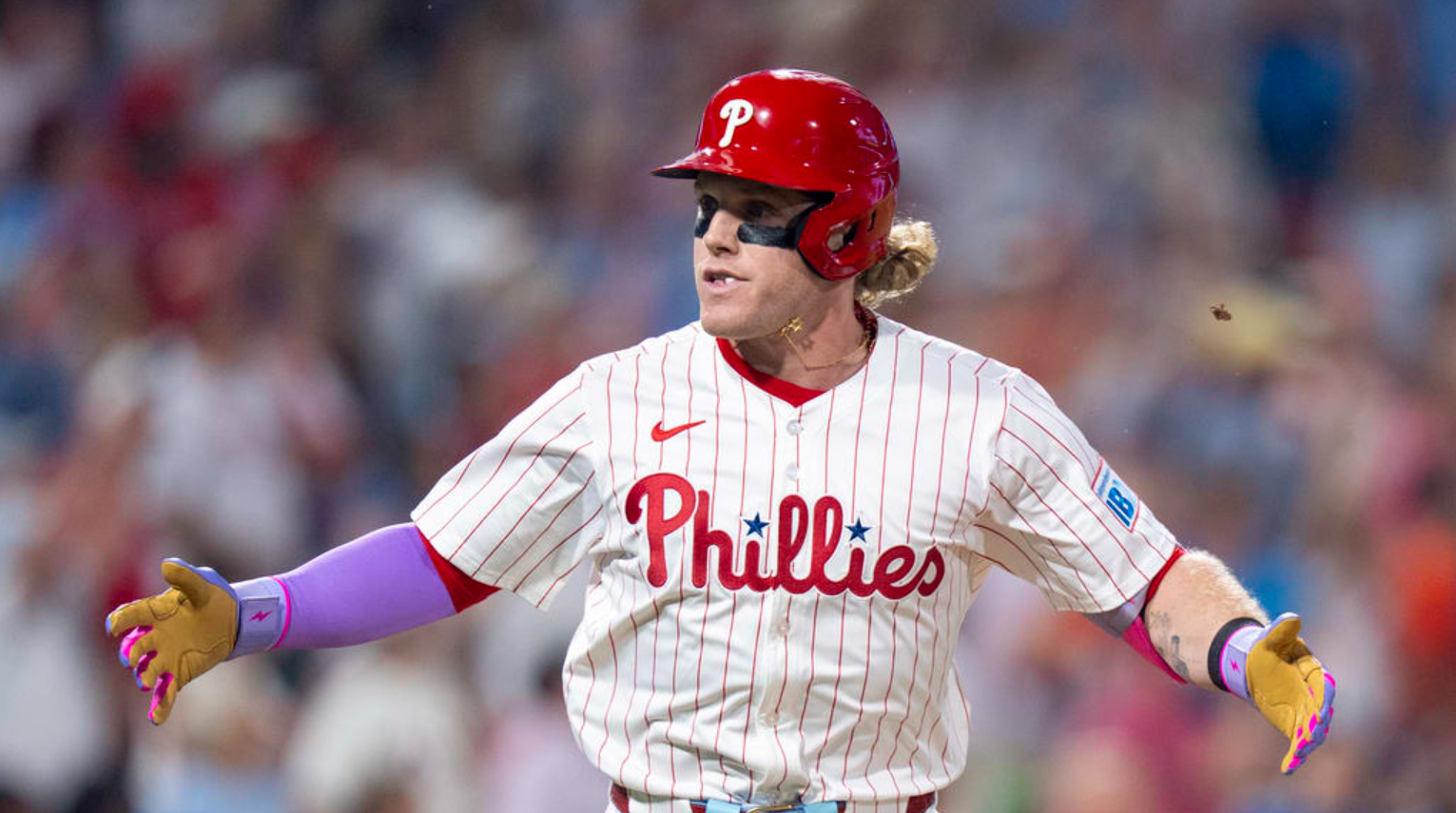
Trades defined the winter months for the St. Louis Cardinals, and that narrative is unlikely to fade simply because the regular season is about to begin. Even once the first pitch is thrown and the focus shifts to daily lineups and box scores, the ripple effects of the club’s aggressive offseason maneuvering will continue to shape conversations around the organization. The front office made it clear that change was not only coming, but necessary, and the roster now reflects a dramatically different direction than it did just a year ago.
In a series of headline grabbing moves, the Cardinals parted ways with several accomplished veterans. Among those moved were former All Star right hander Sonny Gray, veteran catcher Willson Contreras, star third baseman Nolan Arenado, and versatile standout Brendan Donovan.
Each of those players had played a significant role in recent seasons, and their departures signaled more than routine roster adjustments. They represented a philosophical pivot a clear commitment to reshaping the team’s competitive window.
By moving established, high profile talent, St. Louis has embraced a transitional phase centered on youth and long term flexibility. The new blueprint prioritizes players who are early in their careers, cost controlled, and capable of developing together into the next core.
Rather than leaning on proven stars with sizable contracts, the Cardinals appear intent on building a sustainable foundation that can grow organically. This approach may come with short term growing pains, but it also offers the promise of financial flexibility and roster stability down the road.
Naturally, that shift leaves certain remaining veterans in an interesting position particularly those whose contracts are nearing expiration. Left handed reliever JoJo Romero stands out as one of the most logical trade candidates under the current circumstances. With his deal set to run out after the season, Romero fits the profile of a player who could draw significant interest from contenders seeking bullpen reinforcements as the year unfolds.
Romero is coming off a highly impressive campaign at age 28, one in which he delivered outstanding results out of the bullpen. Over 61 innings of work, he compiled a sparkling 2.07 earned run average, showcasing both reliability and effectiveness in high leverage situations.
For teams with postseason aspirations, that kind of steady production from the left side is a valuable commodity. Quality relief pitching is often the difference in tight playoff races, and Romero has demonstrated he can handle meaningful innings.
Given the current direction of the Cardinals, it would make sense for the front office to listen carefully to offers for him. A club focused on long term growth can capitalize on a reliever’s peak value by converting him into prospects who better align with the franchise’s timeline.
Romero’s performance last season only strengthens his appeal, and if he continues to pitch well early in the year, his market could expand considerably as contenders assess their needs.
For Cardinals supporters, that dynamic adds an extra layer of intrigue to each of Romero’s appearances. Every clean inning, every clutch strikeout, and every successful hold may do more than help secure a win it could also increase his trade stock. Fans may find themselves evaluating not only the immediate impact of his outings but also how they might translate into a stronger return package if and when the team engages in negotiations.
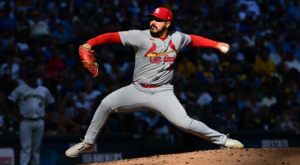
At the same time, Romero’s presence remains important for a pitching staff that is undergoing its own evolution. Young starters and emerging relievers benefit from having experienced arms around them, particularly ones who have recently thrived. His ability to stabilize the middle or late innings can protect developing pitchers from being overexposed while the organization assesses its long term bullpen pieces.
Still, the larger picture suggests that the Cardinals are in asset management mode. By moving established All Stars earlier in the offseason, they demonstrated a willingness to make difficult decisions in pursuit of a broader strategy. Trading Romero would be consistent with that approach, especially if it brings back promising prospects who could contribute in future seasons.
Ultimately, the Cardinals’ offseason reset has positioned them at a crossroads between present competitiveness and future planning. While games on the field will determine day to day outcomes, the undercurrent of potential deals will remain part of the story.
Romero’s strong track record and expiring contract make him one of the most watchable figures on the roster not just for what he can do in the box score, but for what his value might bring in return. As the season unfolds, his performance could play a pivotal role in shaping the next chapter of St. Louis baseball.
Are Blue Jays natural fit for Romero?
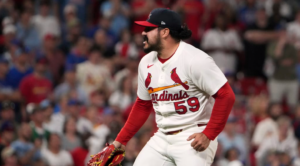
On Friday, Bleacher Report’s Kerry Miller put forth an intriguing projection regarding the future of the Cardinals’ bullpen. In his forecast, he suggested that by the time the current campaign reaches its conclusion, JoJo Romero could very well be wearing a different uniform specifically that of the Toronto Blue Jays.
Miller’s reasoning centers on Toronto’s bullpen shortcomings from a year ago and the composition of its relief corps heading into the new season. After watching their relief unit falter in critical postseason moments and recognizing a noticeable lack of left handed options in the late innings, the Blue Jays appear to be a logical suitor for a proven southpaw if they find themselves in contention.
Miller framed his prediction within a broader evaluation of the Cardinals’ roster construction and long term outlook. He argued that any player on St. Louis’ roster who has fewer than three years remaining before free agency is, at least informally, a potential trade candidate.
While that line of thinking may not reflect official front office messaging, it does align with how many clubs operate when balancing competitiveness with asset management. For a team straddling the line between retooling and contending, expiring contracts often become prime trade chips. In Miller’s assessment, Romero fits that description more clearly than most.
According to Miller, Romero enters the season as the most likely candidate to handle save opportunities for St. Louis. If he indeed takes over the closer’s role and performs effectively, his value could climb significantly as the summer progresses. Importantly, this season represents Romero’s final year under team control before he is eligible to test free agency for the first time in his career.
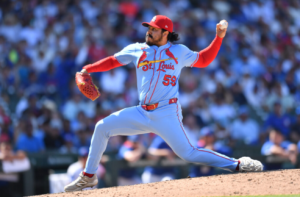
That looming free agent status adds urgency and intrigue to his situation. A productive first half could make him one of the more attractive relief arms available on the trade market, particularly for contenders seeking bullpen stability.
From Toronto’s perspective, the potential fit makes sense on multiple levels. The Blue Jays have long been aggressive in pursuing upgrades when they believe their competitive window is open. Their bullpen inconsistencies last postseason exposed a need for reliable late-inning options. While they already possess talented relievers, there remains some uncertainty surrounding the ninth inning.
Miller specifically referenced Jeff Hoffman as a name whose role might not be entirely secure. Even if Hoffman performs well, adding another experienced arm capable of closing games would provide insurance and flexibility. For a team with playoff ambitions, redundancy in the bullpen is often a luxury worth investing in.
Miller deserves recognition for venturing beyond vague speculation and offering a concrete prediction. Trade forecasts are inherently risky, particularly months before the deadline picture begins to crystallize. Yet his reasoning is grounded in observable roster dynamics and common deadline behavior.
Toronto’s need for left handed relief help is evident, and Romero’s contract status makes him a natural candidate to be discussed in trade scenarios. In theory, it is the kind of move that would satisfy both sides, the Blue Jays addressing an immediate need and the Cardinals capitalizing on an asset before it walks away for nothing in return.
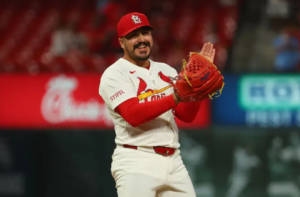
However, as logical as the projection may be, the reality of the trade market is rarely so straightforward. Assuming the Cardinals remain outside the inner circle of World Series contenders by midsummer, they are likely to attract interest from a wide range of clubs seeking bullpen reinforcements.
Every year, contending teams prioritize relief pitching at the deadline. Injuries mount, workloads accumulate, and managers crave dependable arms for high leverage situations. If Romero establishes himself as a consistent late inning presence, St. Louis could find itself in the enviable position of fielding multiple offers.
Recent history supports the idea that relievers can command significant returns at the deadline. Consider what happened with the Miami Marlins and their handling of left hander Tanner Scott in 2024. Scott, a rental reliever approaching free agency, was moved for a package that included four prospects.
That trade underscored just how aggressive contenders can become when pursuing bullpen upgrades. Even though Scott was not under long term control, his ability to impact postseason games made him a coveted asset. The Marlins capitalized on that urgency and extracted a substantial return.
Romero may not carry precisely the same profile or market value as Scott did at that moment, but the underlying principle remains the same. High quality left handed relievers are in constant demand, especially those capable of handling ninth inning responsibilities.
If Romero demonstrates durability, effectiveness, and poise under pressure during the first half, his appeal could expand well beyond Toronto. Teams across both leagues routinely search for bullpen depth as October approaches. The Cardinals, recognizing that dynamic, would be wise to maximize leverage rather than limit themselves to a single trade partner.

That possibility complicates the notion that Romero is destined for one specific destination. While the Blue Jays make sense conceptually, they would likely face competition. Clubs with playoff aspirations but bullpen uncertainty could enter the bidding.
In that scenario, St. Louis would have the opportunity to compare prospect packages and choose the one that best aligns with its long-term strategy. For an organization seeking to replenish its farm system or acquire near major league ready talent, a competitive market would be ideal.
It is also worth noting that circumstances can shift rapidly between Opening Day and the trade deadline. Injuries, breakout performances, and unexpected contention races can alter a team’s trajectory.
If the Cardinals outperform expectations and find themselves firmly in the playoff hunt, their incentive to move Romero diminishes considerably. Conversely, if Toronto struggles or addresses its bullpen needs elsewhere, the Blue Jays may not pursue a deal at all. Predictions made in February or March often look very different by late July.
Nevertheless, Miller’s projection highlights an important dynamic facing the Cardinals this season. Romero’s performance will not only influence the team’s success in the short term but also shape strategic decisions in the months ahead.
If he thrives as a closer, he increases his own market value and strengthens St. Louis’ negotiating position. If he struggles, the club’s deadline calculus changes accordingly. In either case, his final year of team control ensures that he will be closely monitored by rival front offices.
Ultimately, while the idea of Romero finishing the season in Toronto is plausible, it is far from predetermined. The more realistic expectation is that if the Cardinals decide to sell, they will entertain offers from multiple contenders.
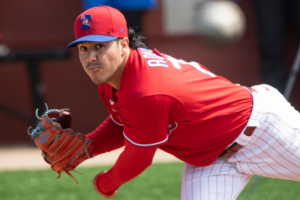
The precedent set by deals like Tanner Scott’s demonstrates that the market for relief pitching can be robust and lucrative. Even if Romero does not command a four prospect haul, the Cardinals could still secure meaningful assets in return.
In that sense, Miller’s prediction serves as a useful starting point for discussion rather than a definitive roadmap. The Blue Jays represent a logical suitor, but they are unlikely to be alone.
Should Romero perform as anticipated, St. Louis may find itself in the driver’s seat, evaluating proposals from five or six aggressive contenders eager to solidify their bullpens for a postseason push. For a team navigating the delicate balance between competing now and building for the future, that kind of leverage would be a welcome development indeed.