The Boston Red Sox and the St. Louis Cardinals have already proven to be frequent trade partners during the current offseason, engaging in impactful deals that signaled two very different organizational directions.
St. Louis appears to be leaning firmly into a rebuilding phase, while Boston has taken advantage of that shift by acquiring significant talent. In particular, the Red Sox managed to land two of the Cardinals’ premier players, catcher Willson Contreras and veteran right hander Sonny Gray, strengthening key areas of their roster in the process.
Those moves underscored a clear contrast in philosophy. The Cardinals, facing the realities of a transitional period, have been willing to part with established contributors in exchange for future flexibility and long term assets.
Meanwhile, Boston has capitalized on that opportunity, adding proven performers in hopes of accelerating its own competitive timeline. The trades reflected not just a transaction between two clubs, but a broader shift in trajectory for both franchises.
With roughly a month remaining before Major League Baseball’s Opening Day, speculation naturally arises about whether the Red Sox and Cardinals might reconnect for yet another deal.
Spring training is often a time when front offices reassess roster construction, identify lingering weaknesses, and explore last minute opportunities to fortify depth. For Boston, one such area of focus appears to be the pitching staff specifically, the need for additional left handed options.
According to a recent report from Sean McAdam of MassLive.com, the Red Sox are actively surveying the market for left handed pitching help. That pursuit could take several forms. At this stage of the offseason, teams generally have three primary avenues to address roster needs: signing a remaining free agent, exploring the trade market, or making waiver claims. Each route presents its own advantages and challenges.
Free agency offers the simplest path in terms of logistics. Boston could sign a veteran southpaw without surrendering prospects or major league talent. However, the pool of available players at this point in the calendar is typically thinner, consisting largely of veterans seeking short term deals or bounce back opportunities. While such additions can provide value, they may not represent long term solutions or high impact upgrades.
The trade market, on the other hand, allows for more targeted acquisitions. By negotiating directly with another club, Boston could identify a pitcher who fits its specific bullpen needs whether that’s a late inning specialist, a matchup oriented arm, or someone with multi inning capability.
The downside, of course, is the cost. Trades require the exchange of assets, and even relievers can command meaningful returns depending on their performance history and contract status.
The third option waiver claims offers a lower risk strategy. Teams sometimes expose players to waivers late in the offseason as they juggle roster constraints. If the Red Sox are patient, they might be able to scoop up a left handed arm without giving up anything in return beyond assuming a contract. However, relying on waivers can be unpredictable, as it depends on other teams’ roster decisions.
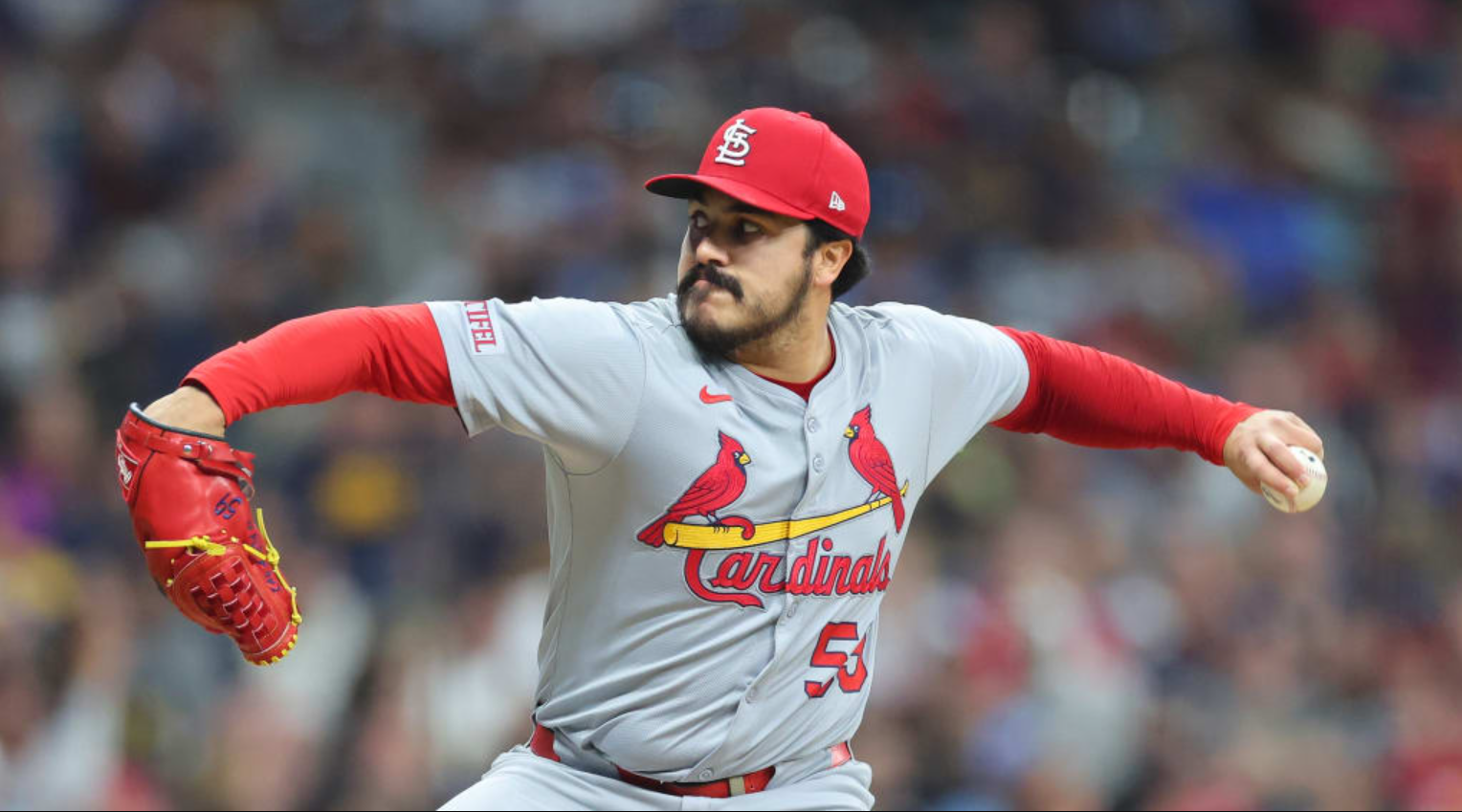
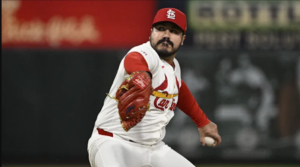
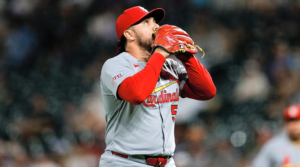
Given the Cardinals’ aggressive sell off of veteran talent earlier this winter, it’s reasonable to wonder whether they might still have pieces available that fit Boston’s needs. Although St. Louis has already parted with many of its most recognizable trade chips, the roster still includes at least one intriguing left handed reliever: JoJo Romero.
Romero, a southpaw out of the bullpen, could represent an appealing target for a team seeking depth and situational flexibility. Left handed relievers often carry heightened value because of their ability to neutralize opposing left handed hitters in high leverage moments. In today’s game, where bullpen matchups can dictate outcomes in tight contests, having reliable left handed options is increasingly important.
From Boston’s perspective, adding Romero or a similar pitcher would further balance the bullpen. While the Red Sox have bolstered other areas of the roster this offseason, pitching depth remains a constant concern over the course of a 162 game schedule.
Injuries, workload management, and performance fluctuations can quickly strain even the most carefully assembled staff. By securing another left hander, Boston could insulate itself against those uncertainties.
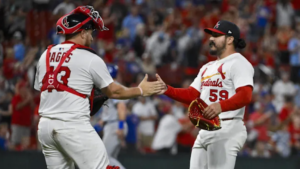
For St. Louis, moving Romero would align with its apparent rebuilding philosophy. If the Cardinals believe they are not positioned to contend immediately, converting a bullpen arm into younger talent or future assets could make strategic sense.
Relievers, in particular, are often viewed as more replaceable than everyday position players or frontline starters, making them logical trade candidates during transitional phases.
Whether the two teams ultimately strike another deal remains to be seen. Negotiations can hinge on timing, prospect evaluations, and each club’s internal projections. Still, the precedent has already been established, Boston and St. Louis have demonstrated a willingness to work together this offseason, and both organizations have clear, complementary motivations.
As Opening Day approaches, front offices around the league will continue fine-tuning their rosters. The Red Sox’s search for left handed pitching suggests they are not content to stand pat, even after making headline grabbing acquisitions. And if the Cardinals remain open to further reshaping their roster, another transaction between these two clubs would hardly come as a surprise.
Should the Red Sox Trade for JoJo Romero?
With Chaim Bloom now overseeing baseball operations in St. Louis, a familiar figure to Boston fans from his time with the Red Sox, speculation is building around potential roster moves the Cardinals could make.
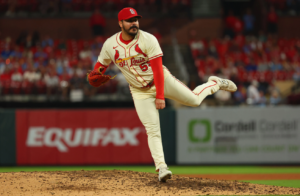
One name that continues to surface in league wide discussions is left handed reliever JoJo Romero. Around Major League Baseball, Romero is increasingly viewed as one of the more logical trade candidates, particularly given the Cardinals’ current direction and roster construction.
According to MLBTradeRumors.com, analyst Nick Deeds recently suggested that Boston could look to Romero as a potential solution to a noticeable weakness in its bullpen. While the Red Sox possess significant overall pitching depth, their relief corps is thin when it comes to reliable left handed options. That imbalance could make Romero an appealing target if Bloom is willing to engage in trade discussions with his former organization.
Deeds noted that Romero has consistently been mentioned in trade chatter throughout the offseason. Even though he currently appears to be the leading candidate to handle closing duties for St. Louis in 2026, circumstances could still push the Cardinals to move him.
The club has clearly leaned into a rebuilding phase, and this winter they parted ways with nearly every impending free agent from their 2025 roster. Romero stands out as the lone exception among that group, which only intensifies the speculation surrounding his future.
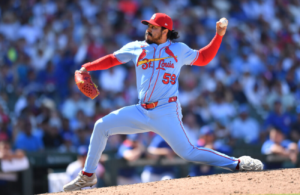
From St. Louis’s perspective, keeping Romero would make sense if they value stability at the back end of their bullpen while transitioning into a new competitive window.
However, a rebuilding team must also weigh the benefits of maximizing trade value, especially for a controllable left handed reliever who could draw interest from contenders. Lefties with late-inning experience are always in demand, and Romero’s profile fits that mold.
For Boston, the situation is fairly straightforward. The Red Sox are not lacking in arms overall, but their bullpen composition skews heavily to the right side. The current depth chart features established veteran Aroldis Chapman along with left handed options Jovani Moran and Tyler Samaniego.
While that trio provides some coverage, there are still questions about consistency and long term reliability. Adding another proven southpaw could help manager Alex Cora better match up against the left handed power bats that populate the American League East.
Romero would offer flexibility in high leverage situations, whether deployed as a setup man or even in closing scenarios if needed. His presence could also reduce pressure on Chapman, who, despite his experience, is not getting any younger. Strengthening the bullpen with another dependable left hander would give Boston more strategic options late in games, particularly in tight divisional matchups.
The connection between Bloom and his former club only adds intrigue to the possibility. Executives frequently tap into familiar networks when exploring trades, and Bloom knows Boston’s system intimately. That familiarity could make negotiations smoother if both sides see mutual benefit.
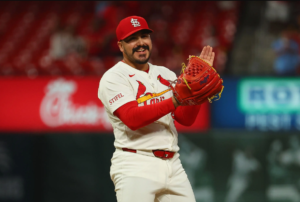
Ultimately, Romero’s future may hinge on how aggressively St. Louis commits to its rebuild and whether Boston decides that shoring up its left handed relief depth is worth the prospect capital it would likely cost. For now, the rumors persist, and as long as the Cardinals remain open to reshaping their roster, Romero’s name will continue circulating among potential trade targets across the league.
JoJo Romero’s Effectiveness as a Starter
According to reporting from McAdam, the Red Sox have drawn a firm line when it comes to the development of Connely Early and Payton Tolle. The organization has no intention of shifting either young left hander into a relief role at this point.
Instead, Boston appears committed to continuing their growth as starters, prioritizing long term upside over short term bullpen needs. That stance significantly shapes how the club will approach its search for additional left handed relief help, essentially forcing the front office to explore outside solutions rather than relying on internal conversions.
Because Early and Tolle are being kept in starting roles, the Red Sox will likely need to look to the free agent market or pursue a trade to secure a dependable southpaw for the bullpen. While there are internal options such as Jovani Moran and Tyler Samaniego, neither projects as a particularly reliable choice in critical, high pressure situations.
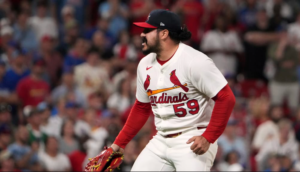
Both have intriguing traits, but counting on them in late inning, high leverage scenarios could leave Boston vulnerable. If the team intends to contend seriously, it may need a more proven and consistent arm capable of handling tight games against elite competition.
One pitcher who fits that description is Romero. During the 2025 season, he delivered an outstanding performance, finishing with a 2.07 ERA across 61 innings of work. That level of effectiveness over a substantial sample size highlights both durability and consistency. Romero also demonstrated his ability to handle closing duties when circumstances demanded it.
After Ryan Helsley was dealt at the trade deadline, Romero stepped into the ninth inning role and successfully converted eight save opportunities. That experience closing games only enhances his value, as it shows he can thrive under pressure and manage the final outs when the stakes are highest.
If Romero remains with St. Louis, he is well positioned to serve as the Cardinals’ primary closer moving forward. However, his strong production combined with his contractual situation makes him an appealing trade candidate.
With free agency looming after the 2026 season, the Cardinals must weigh whether keeping him aligns with their competitive timeline. If they are in the midst of a broader retooling or rebuilding effort, moving a high performing reliever before he reaches the open market could be a logical strategy. His value may never be higher than it is now, especially after such an impressive campaign.
For the Red Sox, targeting Romero would make strategic sense. He would immediately strengthen the bullpen, offering flexibility as either a closer or a high leverage setup man. His presence could stabilize late innings and reduce the burden on other relievers, creating a more balanced and dependable relief corps. In tight divisional races or postseason scenarios, having a pitcher with Romero’s track record could prove invaluable.
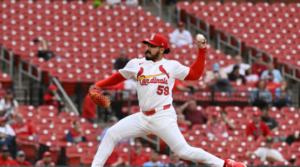
Of course, acquiring him would not come cheaply. Boston could consider dealing from its major league roster to construct a compelling offer. One possibility might involve moving a starting pitcher, particularly if the team believes it has rotation depth to spare. However, that approach carries risk. Trading from the current roster to address one need could create another weakness elsewhere.
Alternatively, the Cardinals may prefer a package centered on prospects. If St. Louis is focused on strengthening its farm system and supporting a longer term rebuild, young, controllable talent could be more attractive than an established big leaguer.
In that scenario, the Red Sox would need to decide how much of their future they are willing to part with in exchange for a proven bullpen piece under team control through 2026.
Ultimately, Boston’s refusal to shift Early and Tolle into relief roles signals a commitment to their long term development as starters. That choice narrows the team’s options and increases the likelihood of an external acquisition.
Given Romero’s production, versatility, and contractual timeline, he stands out as a logical and potentially impactful trade target. The key question will be whether the Red Sox are prepared to meet the Cardinals’ asking price without compromising either their present competitiveness or their future outlook.