The pause in the NHL calendar for the Olympic break was supposed to offer a reset for the New York Rangers a chance to rest battered bodies, clear nagging ailments, and regroup for a final push. Instead, it appears the time off has done little to halt what has been a relentless wave of injuries that has defined their season.
Just as optimism began to creep back into the organization, another health concern surfaced, reinforcing the sense that this campaign simply hasn’t allowed the Rangers to catch a break.
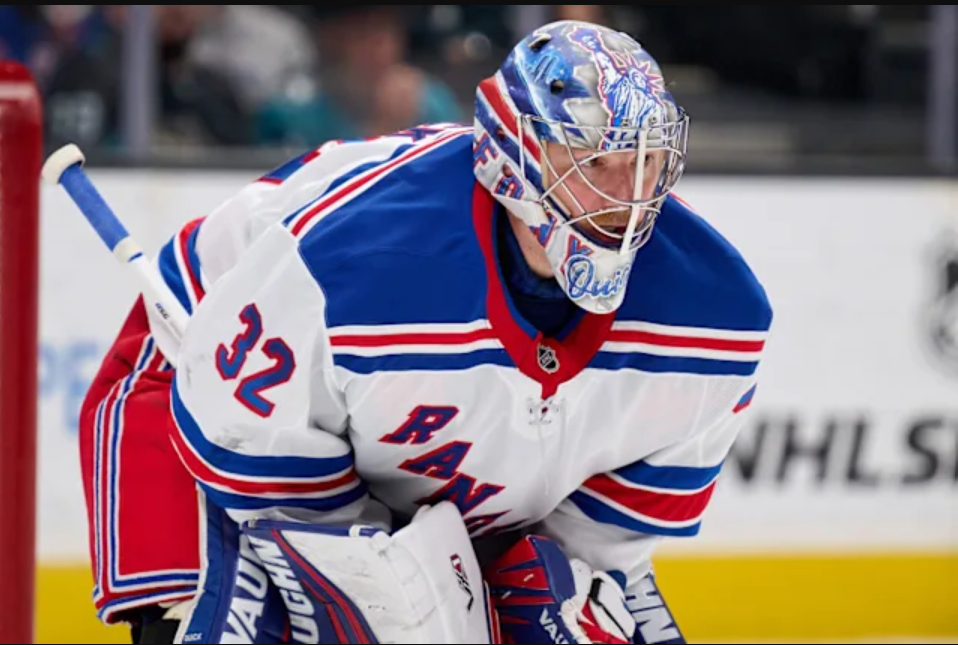
Veteran goaltender Jonathan Quick exited practice early on Saturday due to a lower body issue. Initial reports suggested the move was precautionary, but given Quick’s recent history, it’s impossible not to view the development with concern. The 40 year old netminder already missed time earlier in the season after suffering a lower body injury on Nov. 22, and the memory of that setback remains fresh.
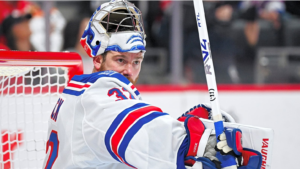
That prior injury stemmed from a collision in the crease during a 3-2 loss to the Utah Mammoth. In that contest, Quick was struck in the goalmouth by Mammoth forward Michael Carcone, a sequence that forced the veteran to the sidelines for roughly two weeks.
For a player at this stage of his career, every physical issue carries added weight. Durability is never guaranteed, and each setback presents new questions about longevity and effectiveness.
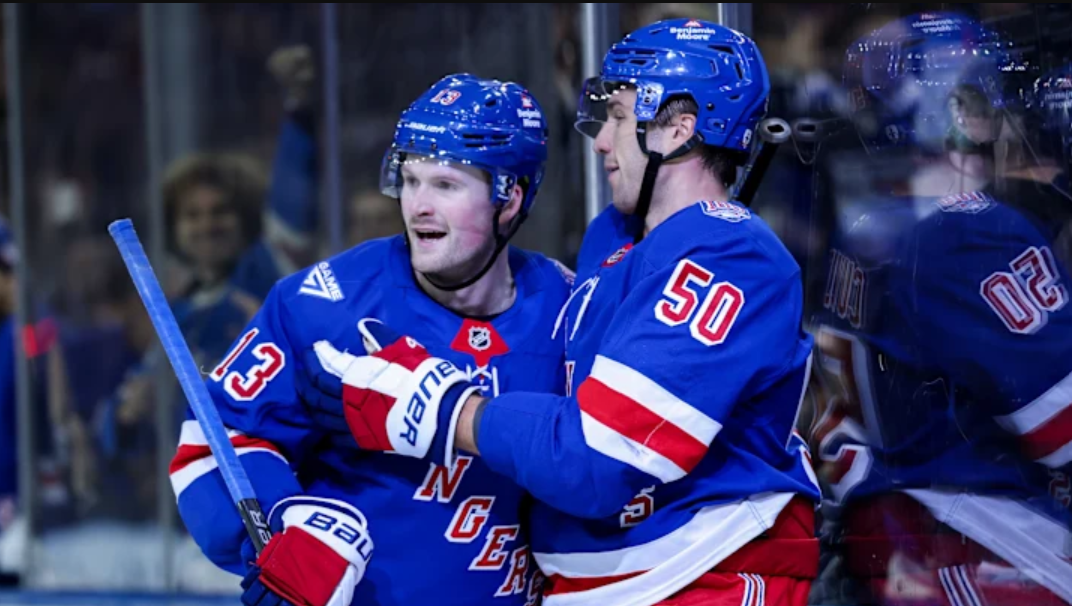
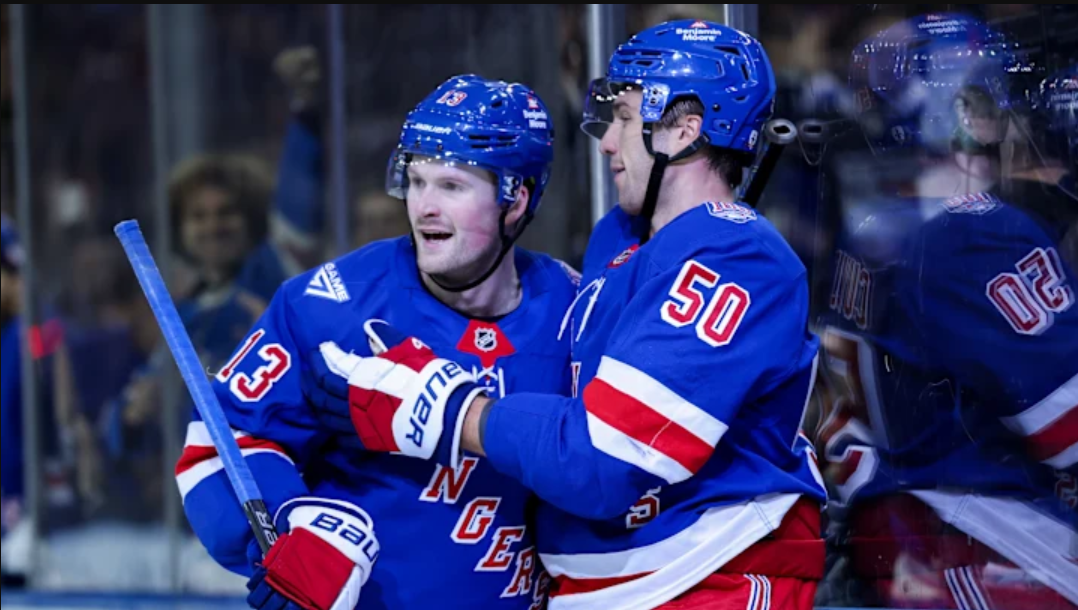
This latest news involving Quick followed closely on the heels of another discouraging update. Forward Matt Rempe is reportedly heading to injured reserve and will require a second surgical procedure this season to address his severely damaged thumb.
The towering winger has endured a turbulent year marked by injury and inconsistency. His thumb was badly injured during a fight against Ryan Reaves of the San Jose Sharks on Oct. 23, a bout that sidelined him for nearly two months.
Though Rempe eventually returned to action following the first surgery, he was never quite the same. His physical presence remained, but his effectiveness diminished. Head coach Mike Sullivan acknowledged that the thumb continued to bother Rempe, limiting his impact even after he was medically cleared to play.

The decision to proceed with another surgery underscores how serious and lingering the injury has been. For a player who relies heavily on physicality and strength, a compromised thumb can significantly affect performance in puck battles, stick handling, and faceoffs along the boards.
Ironically, the Olympic hiatus initially appeared to provide some relief for the Rangers. When the team reconvened for practice on Wednesday, there was encouraging news: both Igor Shesterkin and Adam Fox were full participants.
That development alone injected a dose of hope into an otherwise bleak season. Shesterkin and Fox are widely considered the two most indispensable players on the roster. Losing either is difficult; losing both simultaneously proved catastrophic.
The pair had been sidelined since Jan. 5, when each suffered lower body injuries during the same game coincidentally against the Mammoth at Madison Square Garden. Their absence dramatically altered the Rangers’ trajectory. Without their star goaltender and top defenseman, New York unraveled.
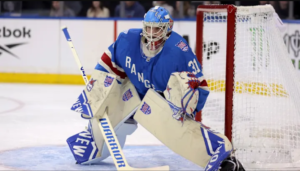
The team dropped 12 of the 14 games played without them, including the contest in which the injuries occurred. By the time the Olympic break arrived, the Rangers were mired in a slump, having lost four straight and seven of their last eight games.
Fox’s season has been particularly frustrating. Beyond the January setback, he also missed 13 games in December with an upper body injury. As a result, he has appeared in just 30 games this season.
For a player who typically anchors the blue line, quarterbacks the power play, and logs heavy minutes in all situations, that kind of absence leaves an enormous void. The Rangers have struggled to replicate his puck moving ability, defensive awareness, and calm presence under pressure.
The cumulative effect of these injuries has been devastating. The Rangers sit at the bottom of the Eastern Conference standings, a stark contrast to expectations entering the year. Instead of contending, they’ve spent months scrambling to plug holes in the lineup. Every time one player edges closer to returning, another seems to fall.
Even players who have managed to stay mostly in the lineup have dealt with physical issues. U.S. Olympians Vincent Trocheck and J. T. Miller have both battled injuries this season.

Trocheck missed approximately a month with an upper body ailment, while Miller has largely played through unspecified problems. Though Miller suited up in most contests, he did sit out nine games due to injury. Playing through pain may demonstrate toughness, but it can also limit effectiveness and consistency.
Defenseman Will Borgen has also spent time on the sidelines, adding to the strain on the blue line. Meanwhile, forward Adam Edstrom has not appeared in a game since Nov. 29 because of a lower body injury. There is some optimism that Edstrom could return at some point following the break, but given how this season has unfolded, cautious optimism is the prevailing tone.
All of this has unfolded during what many would describe as a transitional or “retooling” period for the franchise. Quick himself expressed earlier in the week that he hopes to remain with the Rangers as they navigate this phase.
His veteran leadership and championship pedigree carry value, particularly for a team attempting to reshape its identity. However, his on ice performance this season has been uneven.
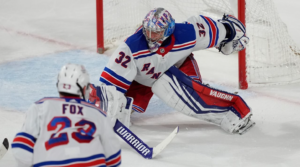
Pressed into a larger role during Shesterkin’s absence in January, Quick struggled. Over the course of the season, the winningest American born goaltender in NHL history holds a 4-14-2 record across 20 appearances. His 3.10 goals against average and .890 save percentage reflect the broader challenges facing the team.
Goaltending statistics are often team dependent, and the defensive breakdowns in front of him certainly haven’t helped. Still, those numbers illustrate how difficult this season has been for the veteran.
The Rangers now face a grueling stretch run. They resume play next Thursday against the Philadelphia Flyers at Madison Square Garden. From there, they must navigate 25 games in just 49 days to close out what has already been labeled a disappointing season. The compressed schedule leaves little margin for further injuries or setbacks.
For a team already battered physically and emotionally, the final stretch will test resilience. The hope had been that the Olympic break would serve as a turning point a moment to heal, recalibrate, and mount a late push.
Instead, it has underscored the fragility that has defined this campaign. Quick’s precautionary exit, Rempe’s second surgery, and the lingering concerns surrounding multiple key contributors serve as reminders that this season has been anything but smooth.
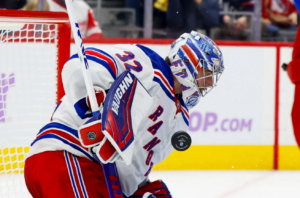
At its core, the Rangers’ struggles can be traced to the absence of stability. Injuries to cornerstone players like Shesterkin and Fox disrupted chemistry and forced lineup shuffles.
Depth players were asked to shoulder roles beyond their typical assignments. Veterans like Quick were thrust into extended duty. Physical ailments limited others from performing at peak capacity. The cumulative toll has been evident in the standings and in the team’s inconsistent performances.
There remains a slim window for pride and progress over the final 25 games. The return of Shesterkin and Fox offers at least a glimmer of structure. But the shadow of injury continues to loom large. In a season marked by setbacks, the Rangers’ greatest opponent hasn’t always been the team lined up across the ice it’s been the injury report.
Whether they can finish strong may ultimately depend less on tactics and more on health. And if this season has proven anything, it’s that health has been the Rangers’ most elusive asset.